
Antarctica has long fascinated explorers, scientists, and adventurers alike. Once a destination accessible only to research teams and military personnel, it is now open to curious travelers seeking an unforgettable journey to the end of the Earth.
Planning your first trip to this icy frontier involves more than just excitement, it requires preparation, awareness, and a sense of adventure. This guide covers everything you need to know before embarking on your Antarctica cruise or tour, helping you decide whether this once-in-a-lifetime expedition is right for you.
Is it safe to travel to Antarctica?
Safety is one of the most common concerns for first-time visitors. The good news is that traveling to Antarctica is generally considered safe thanks to strict international regulations and the expertise of professional operators.

The Antarctic Treaty System and the International Association of Antarctic Tour Operators (IAATO) enforce clear rules designed to minimize human impact and protect both visitors and the fragile environment. Expedition staff receive extensive training, and ships follow the IMO Polar Code to ensure navigation safety in extreme conditions.
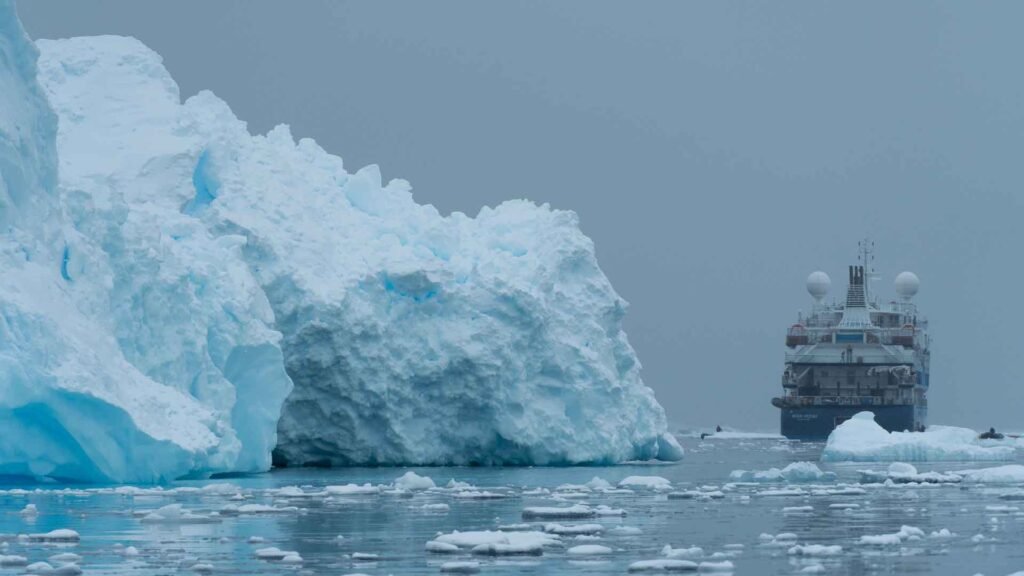
Most Antarctica tours take place aboard small to medium-sized expedition vessels. These ships typically depart from Ushuaia, Argentina, the southernmost city in the world, and sail across the Drake Passage. While this stretch of ocean is known for unpredictable swells—earning nicknames like the “Drake Shake” or the calmer “Drake Lake”—captains monitor weather patterns carefully and adjust itineraries to ensure safe passage.
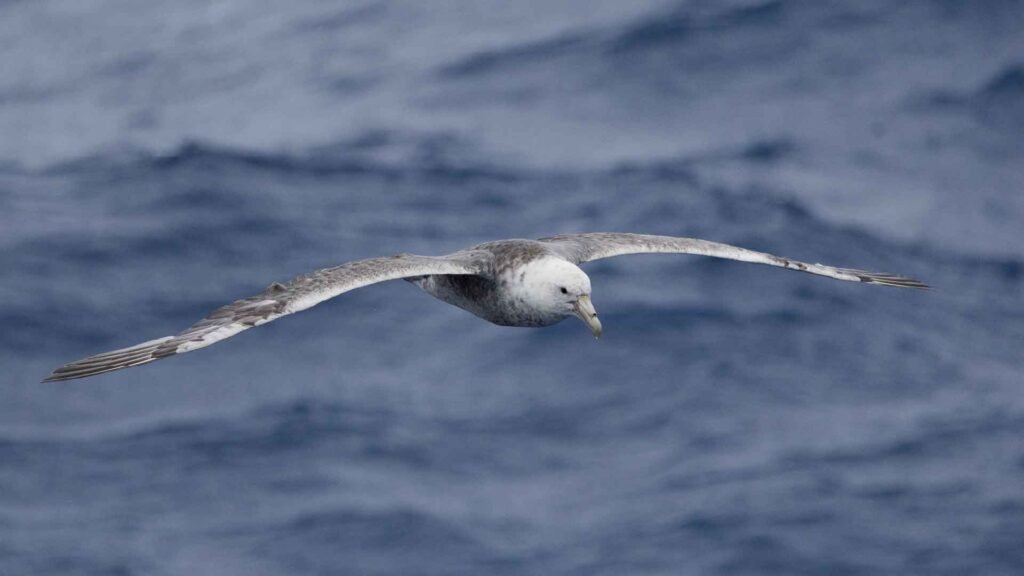
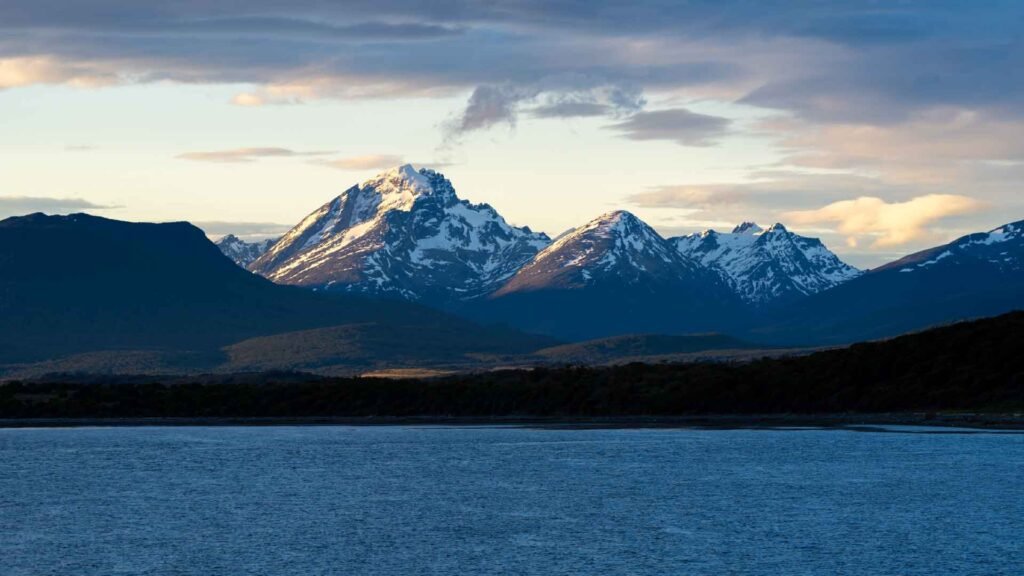
On land, IAATO guidelines strictly limit the number of people ashore to 100 at a time. Visitors must maintain safe distances from wildlife, disinfect boots, and clean outerwear to prevent cross-contamination. In practice, this means a well-organized, safe, and respectful experience where your main challenge is not danger, but adjusting to the remote and extreme conditions of the White Continent.
What is the experience like on an Antarctic cruise?
An Antarctica cruise is less about luxury and more about immersion. Days are structured around exploration, learning, and awe-inspiring encounters with landscapes and wildlife.
Excursions and daily life
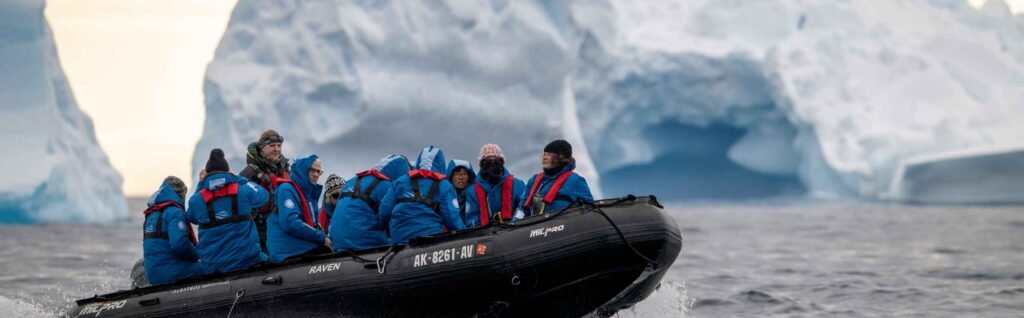
The main way to explore is via Zodiac boats, which take you from ship to shore or through iceberg-filled bays. On land, you’ll hike among penguin rookeries, explore historic sites, or climb vantage points for panoramic views. On the water, Zodiac cruises glide past icebergs, glaciers, and seals basking on ice floes.
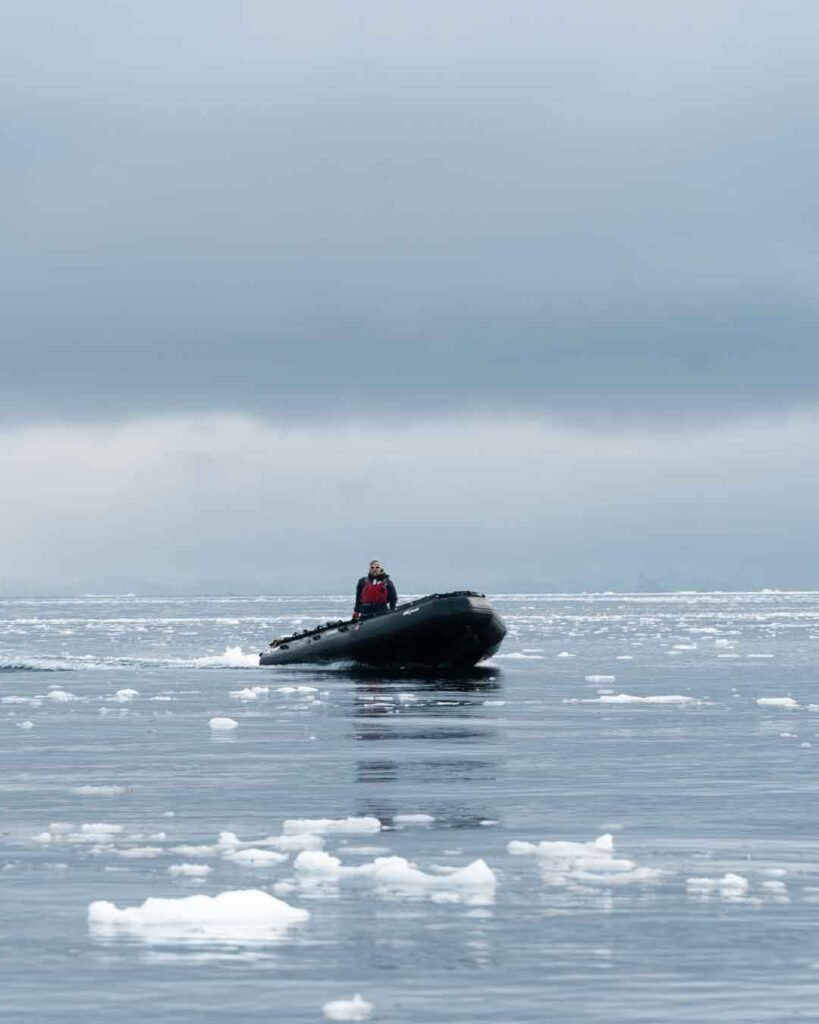
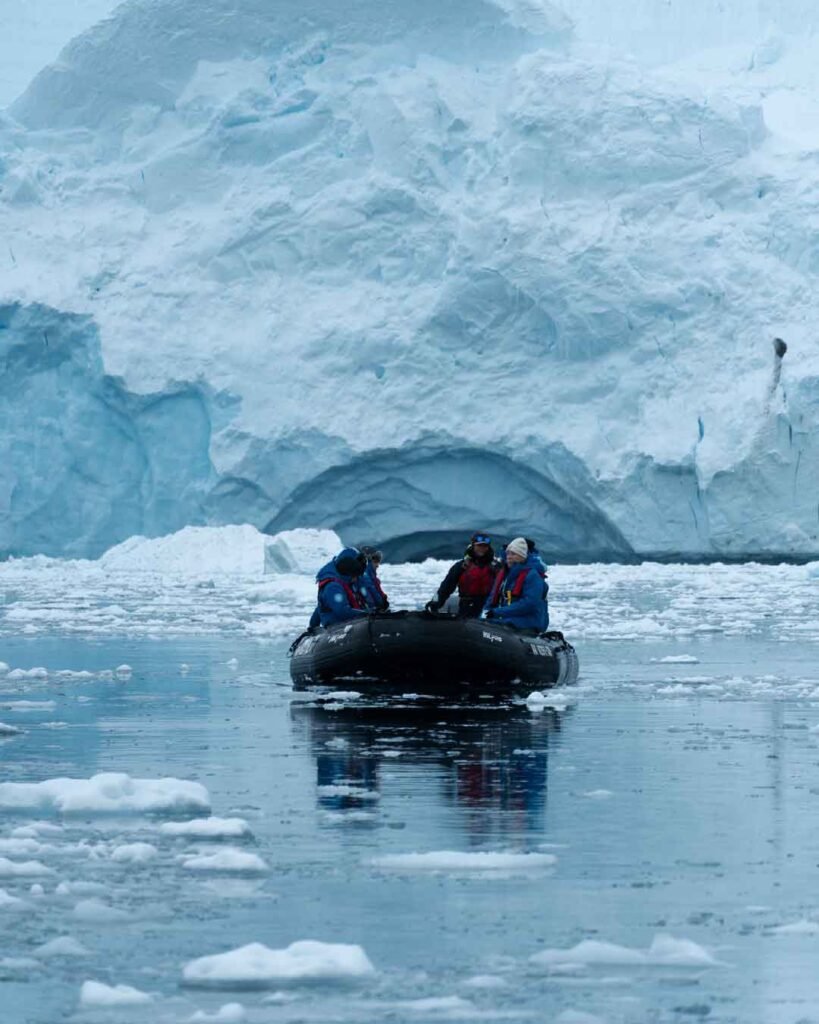
Back on board, the atmosphere is comfortable yet focused on discovery. Expedition teams host lectures on geology, marine biology, history, and glaciology. Meals are shared with fellow adventurers, and evenings often feature daily recaps or photography workshops. Unlike traditional cruises, there are no hotels or permanent bases for tourists—your ship is your home, dining hall, and floating observation deck.
Wildlife encounters
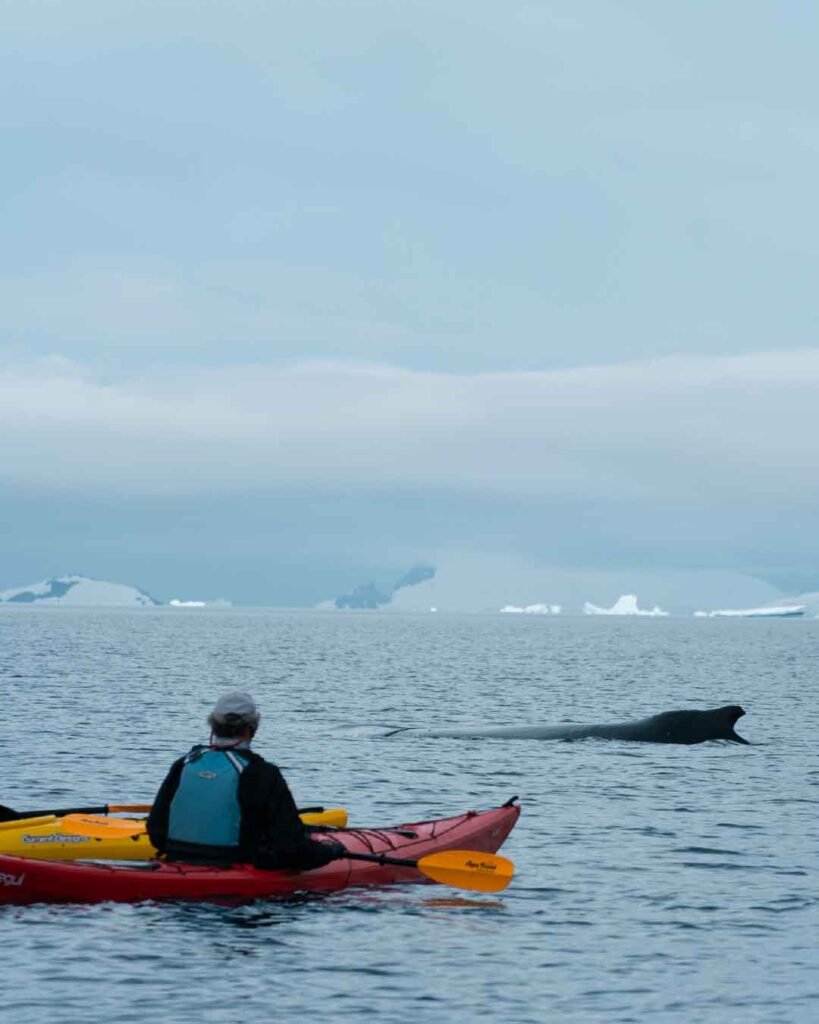
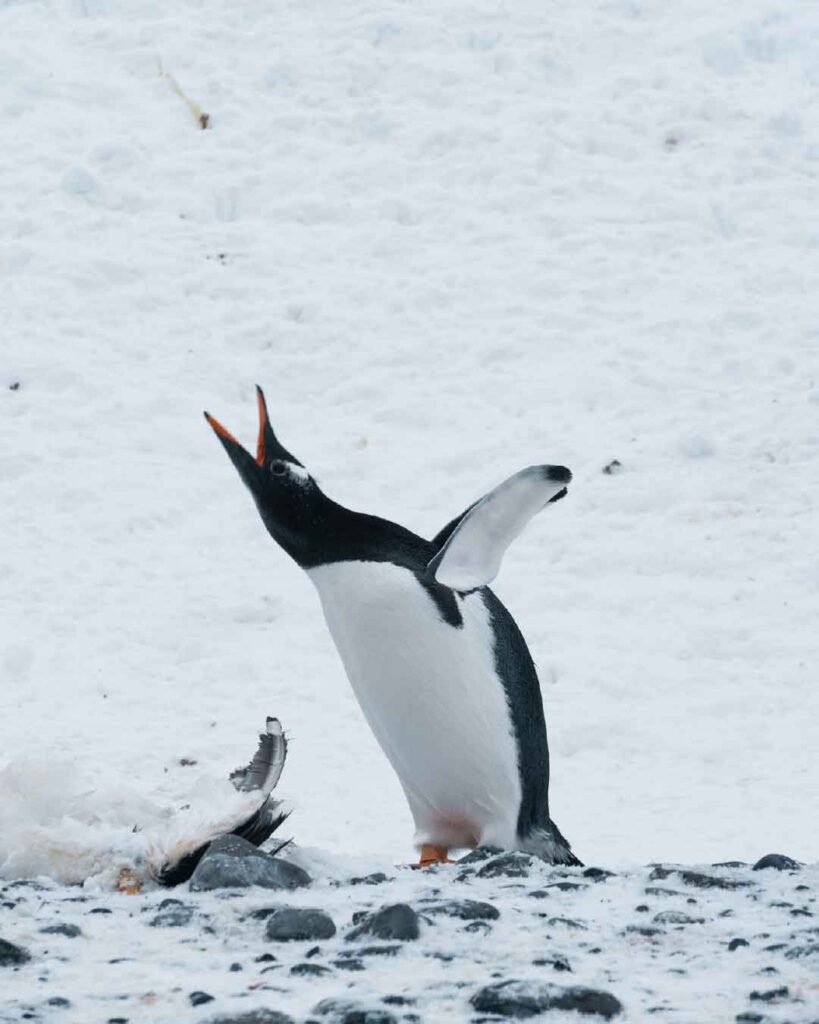
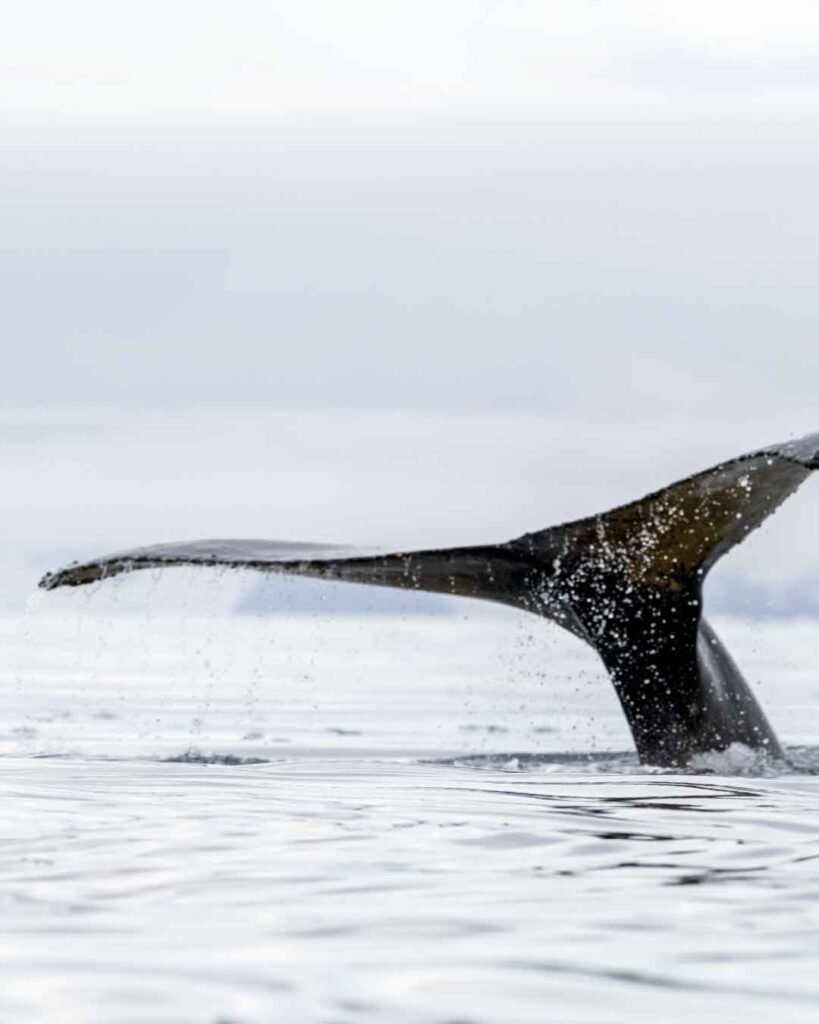
Wildlife is one of the highlights of any Antarctic journey. Expect to see several penguin species—including Gentoo, Adelie, and Chinstrap penguins—as well as humpback and minke whales, orcas, and seabirds such as albatrosses and petrels. Seals are common, with species ranging from the docile Weddell seal to the elusive sea leopard, a skilled predator often spotted near penguin colonies.
While standard itineraries don’t reach the South Pole Antarctica, some longer voyages venture deeper into the Weddell Sea or even toward the Ross Sea, offering rare opportunities to spot Emperor penguins and witness Antarctica’s most remote landscapes.
What to pack and how to prepare physically
Packing for Antarctica can feel daunting, but it’s mostly about being strategic and layering properly. Weather is extreme but variable, and you’ll need to be ready for everything from wind and snow to bright sunshine reflecting off ice.
- Base layers: Breathable thermal underwear to stay warm and dry.
- Mid-layers: Fleece or sweaters for insulation.
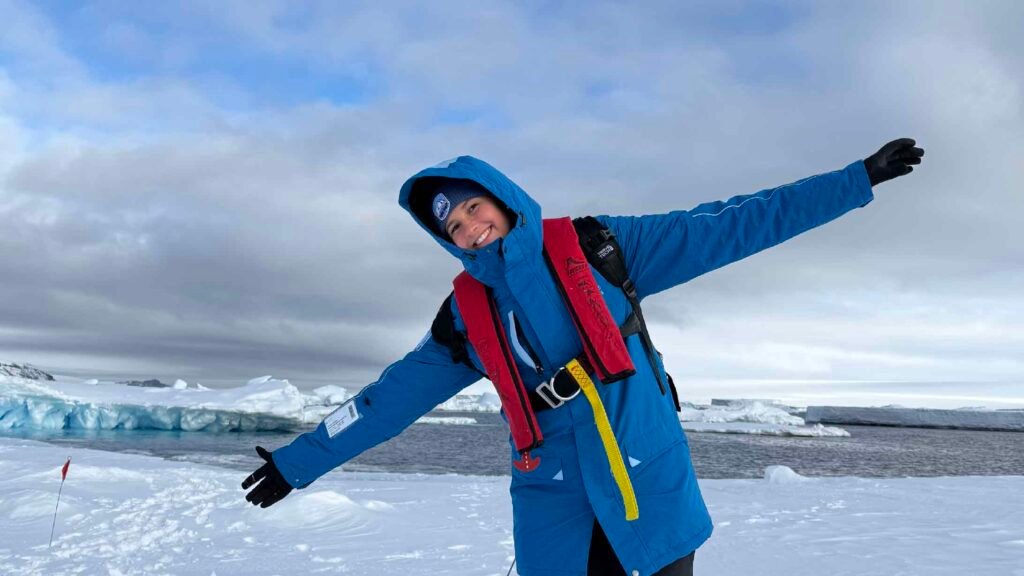
- Outer layers: A waterproof, windproof jacket and pants with at least 15,000 mm water resistance. Bright colors like red or yellow help visibility.
- Footwear: Expedition ships usually provide waterproof boots, but bring comfortable shoes for the ship and plenty of Merino wool socks.
- Accessories: A hat, neck gaiter, and both inner and waterproof outer gloves are must-haves.
- Photography gear: Spare batteries (cold drains them quickly), multiple memory cards, and protective bags for your camera. A tripod is useful for long exposures and low light.
- Daypack: Waterproof or lined with dry bags, to carry essentials on landings.
- Sun protection: Sunglasses with UV protection, sunscreen, and lip balm to combat glare and dry air.
- Health essentials: Seasickness medication for the Drake Passage, a personal first-aid kit, and any prescription medicines.
- Comfort items: Earplugs, an eye mask, and even a thermal mug for keeping drinks warm during deck time.
Physically, you don’t need to be an athlete, but you should be comfortable walking in cold, uneven terrain and boarding small boats. Simple cardio training and core strengthening can help you prepare for active excursions.
Weather and conditions during the expedition
Tourism in Antarctica is limited to the austral summer, from November to February. Each period offers distinct advantages:
> Early season (November): Wildlife activity is high as penguins court and nest. Landscapes are still pristine, with more sea ice visible. Expect colder conditions and slightly trickier landings.
> Mid-season (December–January): The warmest months, with up to 20 hours of daylight. Snow is dazzlingly bright, and this is the best time for photographers.
> Late season (February): Seas are warmer, attracting whales that feed on krill. Penguin chicks are more active, and southern regions become more accessible.
Even during summer, temperatures often remain below freezing, and wind chill can be severe. Sunrises and sunsets cast magical light over glaciers, making for unforgettable photography moments.
Unique experiences you will have on the White Continent
Antarctica is more than a destination—it’s an experience that transforms the way you see the planet. Some of the most unforgettable highlights include:
Wildlife immersion
- From penguin rookeries to breaching whales, every encounter feels extraordinary. Seeing a sea leopard patrol an ice floe or watching orcas hunt is an unmatched thrill.
Glacier calving
- Witnessing massive walls of ice break into the ocean is a dramatic reminder of nature’s power.
Exploring legendary sites
Cruise through Paradise Bay, the Lemaire Channel, or visit historic huts used by explorers like Shackleton and Scott.
Adventure activities
- Try kayaking, mountaineering, or even the Polar Plunge—a brief swim in near-freezing waters. Some tours even offer glamping in heated domes on the ice.
Helicopter excursions
On specialized trips, helicopters provide access to Emperor penguin colonies or panoramic views of the Ross Sea.
- From penguin rookeries to breaching whales, every encounter feels extraordinary. Seeing a sea leopard patrol an ice floe or watching orcas hunt is an unmatched thrill.
- Witnessing massive walls of ice break into the ocean is a dramatic reminder of nature’s power.
Cruise through Paradise Bay, the Lemaire Channel, or visit historic huts used by explorers like Shackleton and Scott.
- Try kayaking, mountaineering, or even the Polar Plunge—a brief swim in near-freezing waters. Some tours even offer glamping in heated domes on the ice.
On specialized trips, helicopters provide access to Emperor penguin colonies or panoramic views of the Ross Sea.

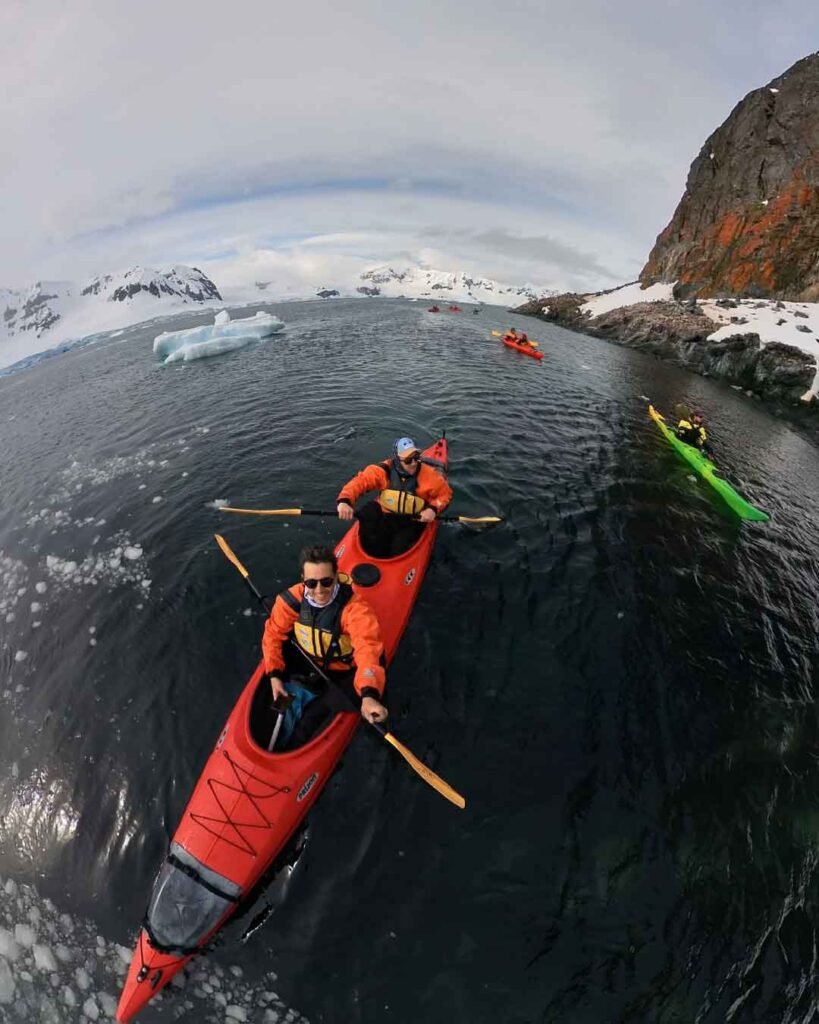
For many travelers, the greatest reward is the intangible: a profound connection to the planet’s wildest, most pristine environment. As the saying goes, “you don’t protect what you don’t know.” Experiencing Antarctica firsthand fosters a deep appreciation for conservation.
Your Antarctic Journey Starts Here
Your first journey to Antarctica will be unlike any other trip you’ve taken. It’s not just about checking off a bucket-list destination, it’s about stepping into a world that feels both ancient and alive, where every glacier, penguin, and iceberg tells a story of resilience and wonder. Whether you choose a classic Antarctica tour along the Peninsula or an extended voyage into the Weddell Sea, the experience will leave you changed forever.
Prepare carefully, respect the rules that protect this fragile ecosystem, and embrace the spirit of exploration. The White Continent awaits. 🙂