

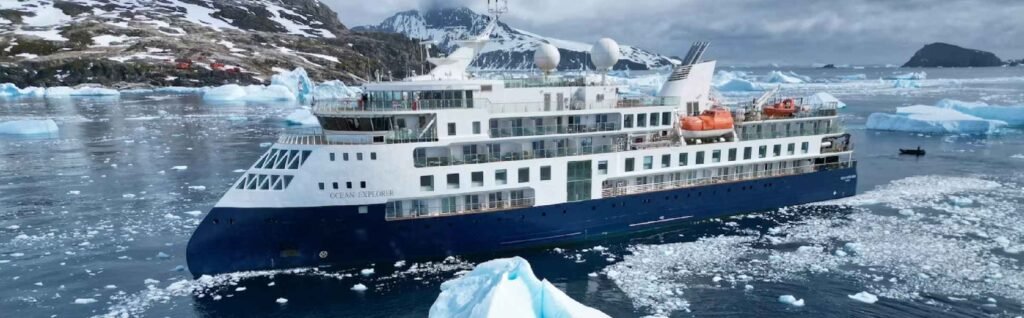
Choosing the right vessel for your Antarctic adventure is one of the most crucial decisions you’ll make when planning your polar expedition. With numerous Antarctica expedition ships available, each offering different experiences, capabilities, and comfort levels, finding the perfect match for your travel style requires careful consideration. The Ocean Explorer stands out as a modern, purpose-built expedition vessel, but how does it compare to other options in the market?
This comprehensive guide will help you navigate the complex world of expedition cruise ships, comparing the Ocean Explorer against top competitors while examining everything from ship categories and route capabilities to onboard experiences and value propositions. Whether you’re seeking intimate small ship cruises Antarctica or prefer larger vessels with extensive amenities, understanding these differences will ensure your polar journey exceeds expectations.
Understanding Antarctica ship categories
Antarctic expedition vessels are classified primarily by passenger capacity and ice class ratings, which directly impact your expedition experience and access to remote areas. Each category offers distinct advantages depending on your priorities and travel preferences.
Small ships (50-100 passengers)
Small ship cruises Antarctica provide the most intimate and flexible expedition experience. These vessels excel at personalized service and can offer longer, more frequent shore excursions since the International Association of Antarctica Tour Operators (IAATO) limits landings to 100 people maximum at any site.
With smaller groups, you’ll enjoy more time ashore, better wildlife viewing opportunities, and enhanced educational interactions with expedition staff. These ships typically feature higher staff-to-guest ratios and can access smaller bays and inlets that larger vessels cannot navigate. The trade-off often comes in reduced onboard amenities and potentially rougher crossings of the Drake Passage due to their size.
Medium ships (100-200 passengers)
Medium-sized Antarctica ship comparison reveals this category as the sweet spot for many travelers. The Ocean Explorer, with its 138-passenger capacity, exemplifies this balanced approach. These expedition vessel types offer substantial onboard amenities while maintaining compliance with IAATO disembarkation regulations.
Ships in this category typically feature modern design, comfortable cabins with verandas, wellness facilities, and comprehensive educational programs. They provide stability for Drake Passage crossings while remaining agile enough for diverse landing sites. The passenger-to-staff ratio remains favorable, ensuring quality service without the premium pricing of smaller vessels.
Large ships (200+ passengers)
While larger vessels can accommodate more passengers, Antarctic Treaty System regulations effectively limit their operational scope. Only ships with fewer than 500 passengers can disembark tourists in Antarctica, and larger ships face significant restrictions on landing frequency and duration.
These polar expedition ships typically focus more on the cruise experience rather than expedition activities, offering extensive onboard entertainment, multiple dining venues, and luxury amenities. However, passengers may experience fewer landings and shorter shore excursions due to the complex logistics of rotating larger groups.
Small ship cruises Antarctica provide the most intimate and flexible expedition experience. These vessels excel at personalized service and can offer longer, more frequent shore excursions since the International Association of Antarctica Tour Operators (IAATO) limits landings to 100 people maximum at any site.
With smaller groups, you’ll enjoy more time ashore, better wildlife viewing opportunities, and enhanced educational interactions with expedition staff. These ships typically feature higher staff-to-guest ratios and can access smaller bays and inlets that larger vessels cannot navigate. The trade-off often comes in reduced onboard amenities and potentially rougher crossings of the Drake Passage due to their size.
Medium-sized Antarctica ship comparison reveals this category as the sweet spot for many travelers. The Ocean Explorer, with its 138-passenger capacity, exemplifies this balanced approach. These expedition vessel types offer substantial onboard amenities while maintaining compliance with IAATO disembarkation regulations.
Ships in this category typically feature modern design, comfortable cabins with verandas, wellness facilities, and comprehensive educational programs. They provide stability for Drake Passage crossings while remaining agile enough for diverse landing sites. The passenger-to-staff ratio remains favorable, ensuring quality service without the premium pricing of smaller vessels.
While larger vessels can accommodate more passengers, Antarctic Treaty System regulations effectively limit their operational scope. Only ships with fewer than 500 passengers can disembark tourists in Antarctica, and larger ships face significant restrictions on landing frequency and duration.
These polar expedition ships typically focus more on the cruise experience rather than expedition activities, offering extensive onboard entertainment, multiple dining venues, and luxury amenities. However, passengers may experience fewer landings and shorter shore excursions due to the complex logistics of rotating larger groups.
Ocean Explorer deep dive
The Ocean Explorer represents the new generation of expedition cruise ships, launched in 2021 with cutting-edge design and technology specifically for polar exploration.
Ship specifications & capacity
This modern expedition vessel boasts impressive specifications optimized for Antarctic conditions. With accommodation for 138 passengers and 105 crew members, the Ocean Explorer maintains an excellent staff-to-guest ratio ensuring personalized service. The ship measures 342 feet (104.4 meters) in length with a 17.3-foot draft, providing stability in challenging polar waters.
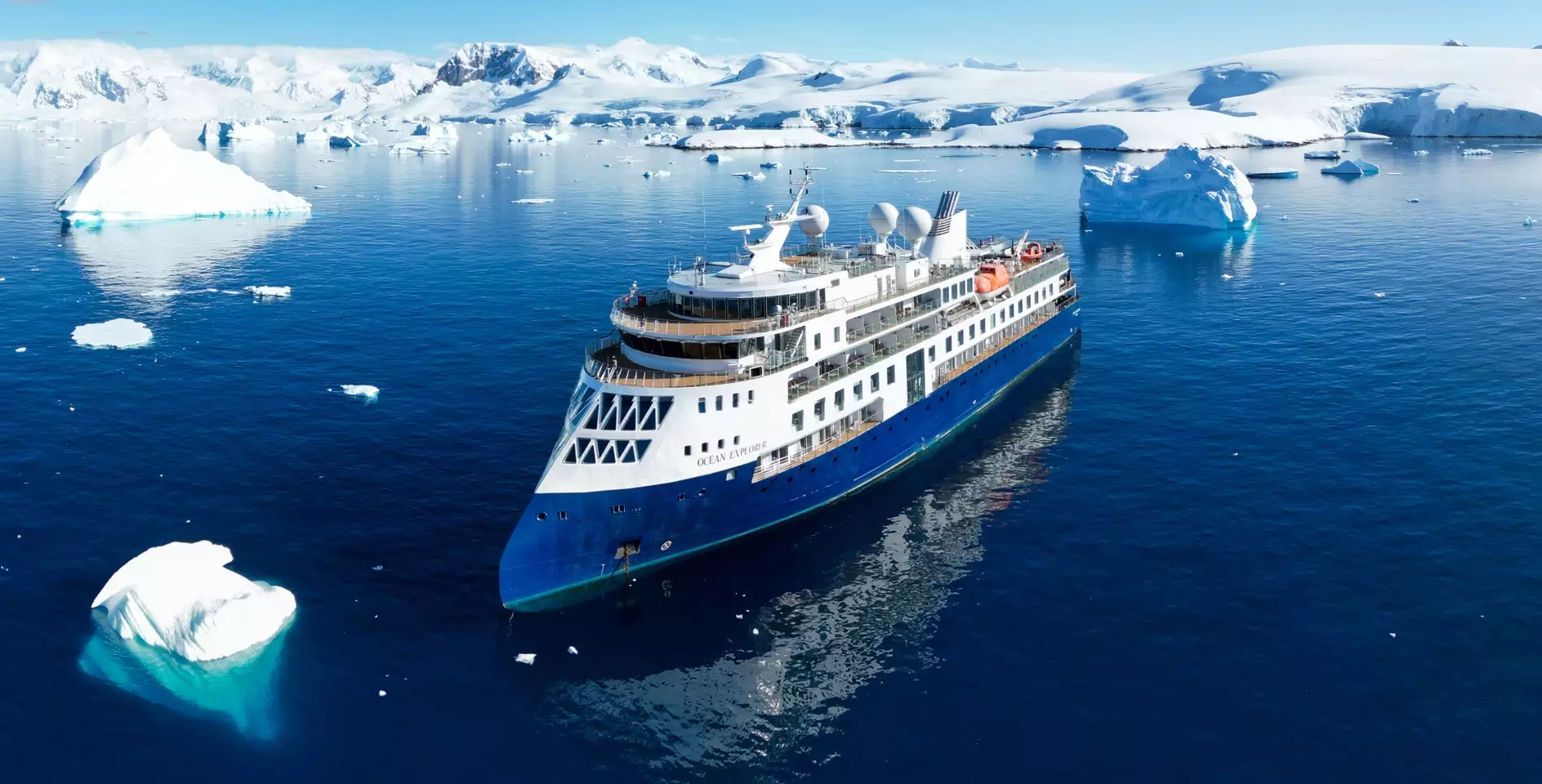
Key technical features include Ice Class 1A/PC6 rating, enabling safe navigation through polar ice conditions during the austral summer season. The vessel achieves a cruising speed of 16.5 knots in open water, powered by fuel-efficient Rolls Royce engines that support the ship’s sustainability initiatives. The ULSTEIN X-BOW® design ensures smoother sailing through rough seas, reducing passenger discomfort during Drake Passage crossings.
Cabin types & amenities
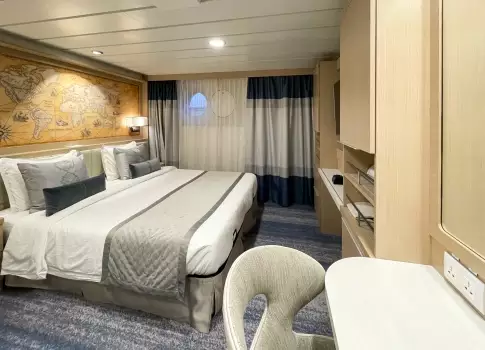
The Ocean Explorer’s accommodations emphasize modern Scandinavian design with panoramic ocean views. Nearly all cabins feature private verandas, allowing guests to enjoy Antarctica’s pristine landscapes from their rooms. Cabin categories range from Studio Singles to the spacious Owners Suite, catering to various budgets and preferences.
Standard amenities include climate control, premium bedding, and modern bathrooms designed for polar conditions. The ship’s thoughtful layout maximizes natural light throughout, with the two-story library at the bow serving as a stunning focal point. All cabins are designed with polar expedition needs in mind, providing ample storage for expedition gear and comfortable spaces to relax between excursions.
Unique features & advantages
The Ocean Explorer’s modern design incorporates several unique advantages over older expedition vessels. The ship features multiple outdoor viewing decks ideal for wildlife photography and scenic viewing, while the fleet of 15 Zodiacs ensures efficient and safe shore transfers.
Wellness amenities include a spacious gym, sauna with panoramic windows, and two outdoor Jacuzzis where guests can soak while surrounded by Antarctic scenery. The vessel’s industry-leading sustainability systems align with modern environmental consciousness, crucial for responsible polar tourism.
The ship’s stability systems and ice-class rating provide access to diverse Antarctic regions while maintaining passenger comfort. Advanced navigation and safety equipment ensure secure operations in challenging polar conditions, while the modern galley supports exceptional dining experiences throughout the voyage.
Ocean Explorer vs top competitors
When evaluating the best Antarctica ships, direct comparisons help illustrate each vessel’s strengths and target audience.
vs World Voyager: size & comfort comparison
The World Voyager, accommodating 200 passengers, represents the upper end of medium-sized expedition vessels. While offering more onboard space and facilities, this larger capacity can result in longer wait times for Zodiac departures and potentially crowded landing sites.
The Ocean Explorer’s smaller size provides more flexibility and faster embarkation/disembarkation processes. Both ships feature modern amenities, but the Ocean Explorer’s more intimate scale often translates to enhanced personalized service and expedition staff interaction.
vs MS Roald Amundsen: technology & innovation
The MS Roald Amundsen pioneered hybrid electric propulsion in expedition cruising, setting new environmental standards. While both vessels emphasize sustainability, the Ocean Explorer’s newer construction incorporates lessons learned from earlier hybrid designs.
Both ships target environmentally conscious travelers, but the Ocean Explorer’s more traditional propulsion system ensures proven reliability in remote polar conditions. The Roald Amundsen’s larger capacity (530 passengers) significantly limits its Antarctic landing capabilities compared to the Ocean Explorer’s more expedition-focused approach.
vs Ocean Endeavour: value & experience
The Ocean Endeavour represents excellent value in the expedition cruise market, typically offering lower pricing than newer vessels. However, its older construction (1982, refurbished) means fewer modern amenities and potentially less efficient systems.
The Ocean Explorer’s premium positioning reflects its modern construction, advanced safety systems, and enhanced comfort features. While commanding higher prices, the newer vessel provides superior stability, reduced environmental impact, and contemporary expedition facilities that justify the investment for many travelers.
Route capabilities: which ships go where
Different expedition vessel types access varying Antarctic regions depending on their ice class, size, and seasonal timing.
Antarctic Peninsula access
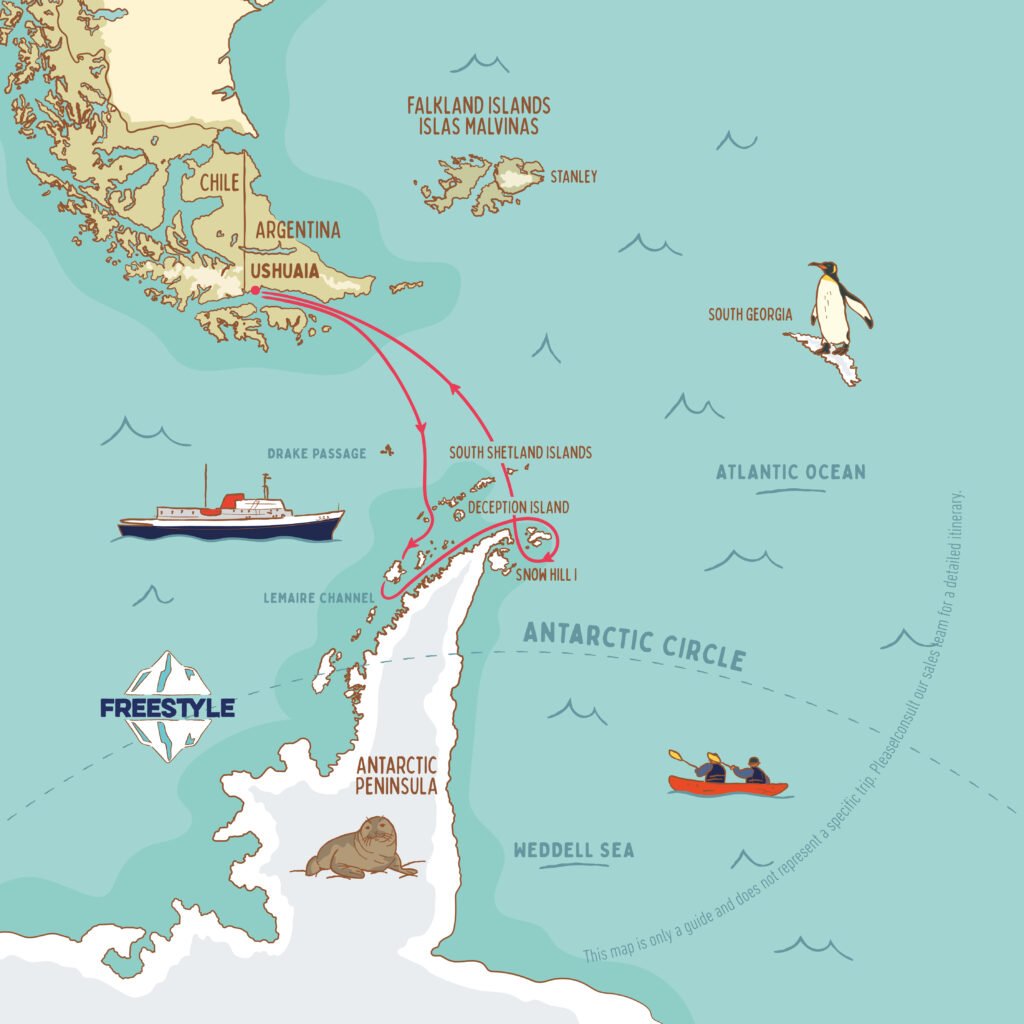
Most Antarctica expedition ships, including the Ocean Explorer, readily access the Antarctic Peninsula during the austral summer season. This region offers classic Antarctic experiences including penguin colonies, dramatic icebergs, and historic sites.
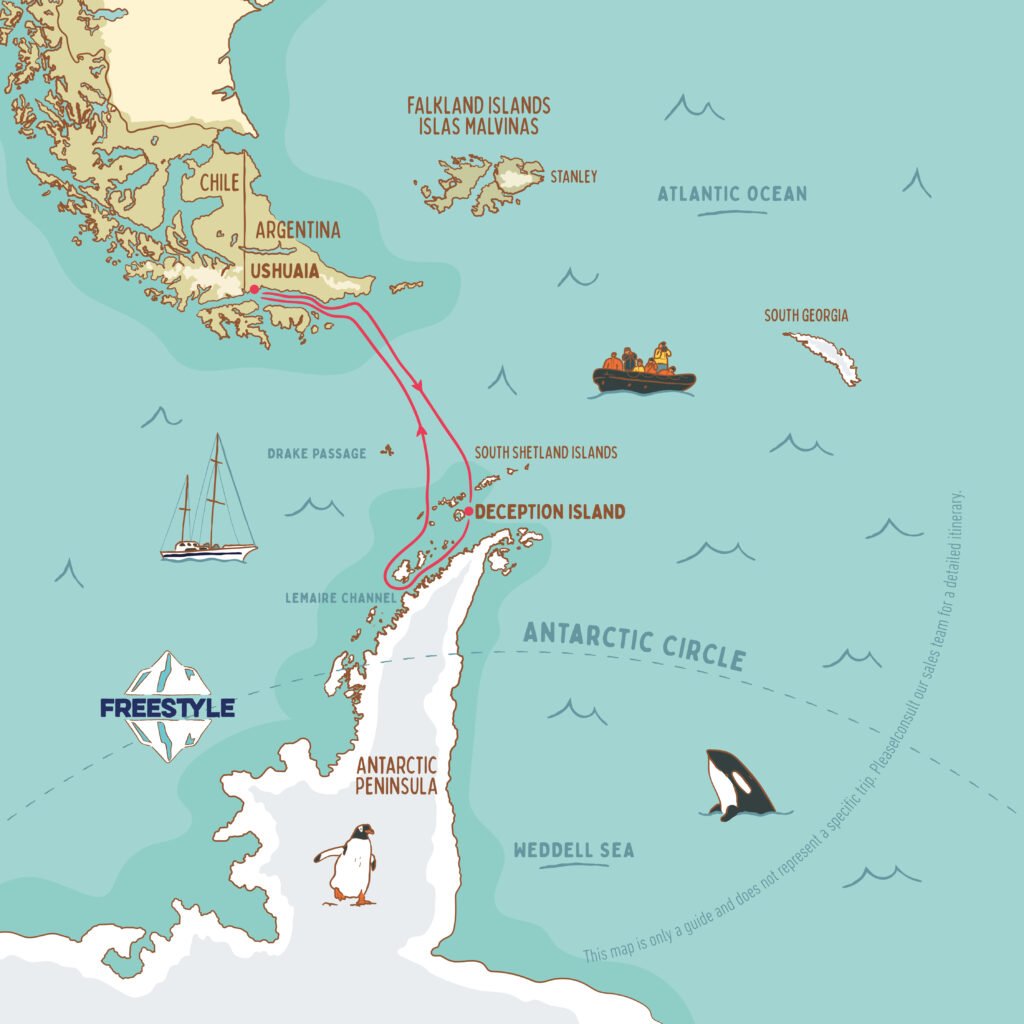
Standard Peninsula itineraries visit the South Shetland Islands, Paradise Bay, Lemaire Channel, and Port Lockroy. The Ocean Explorer’s Ice Class 1A rating ensures safe navigation through typical Peninsula ice conditions while its size allows access to smaller bays and protected anchorages.
Weddell Sea expeditions
The Weddell Sea presents more challenging ice conditions, often requiring higher ice-class vessels or icebreakers for reliable access. While the Ocean Explorer’s PC6 rating provides some Weddell Sea capability, success depends heavily on seasonal ice conditions.
Specialized Weddell Sea expeditions targeting Emperor penguin colonies typically require purpose-built icebreakers with helicopter capability. The Ocean Explorer focuses on more accessible regions while still offering potential Weddell Sea exploration when conditions permit.
Antarctic Circle crossings
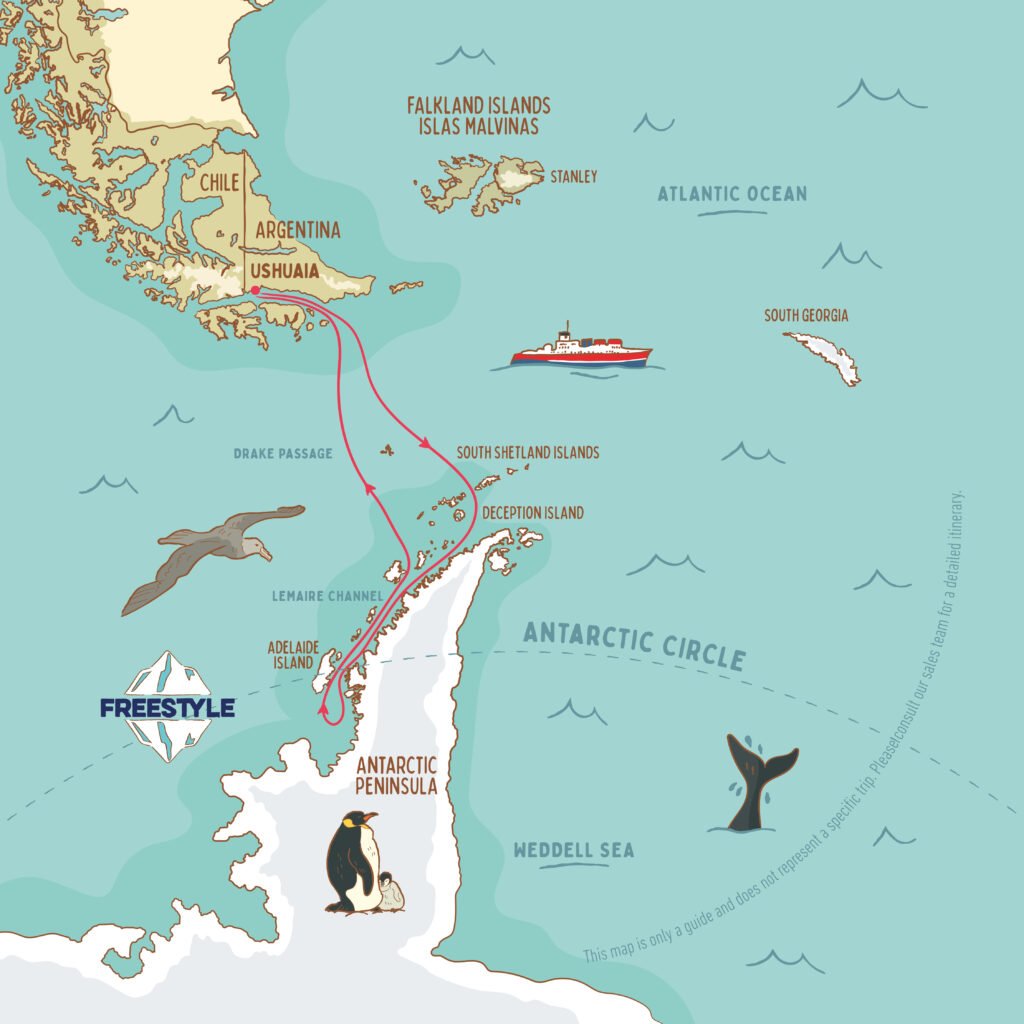
Crossing the Antarctic Circle represents a significant polar achievement, requiring vessels capable of navigating heavier ice concentrations further south. The Ocean Explorer’s ice class rating and experienced expedition team enable Antarctic Circle crossings during favorable conditions.
These extended voyages typically require 12-15 days minimum, allowing time for deep southern penetration and circle-crossing celebrations. Success depends on ice conditions, weather, and seasonal timing, with late December through February offering the best opportunities.
Onboard experience comparison
The quality of onboard experiences significantly impacts your overall expedition satisfaction, particularly during sea days and evening hours.
Dining & cuisine quality
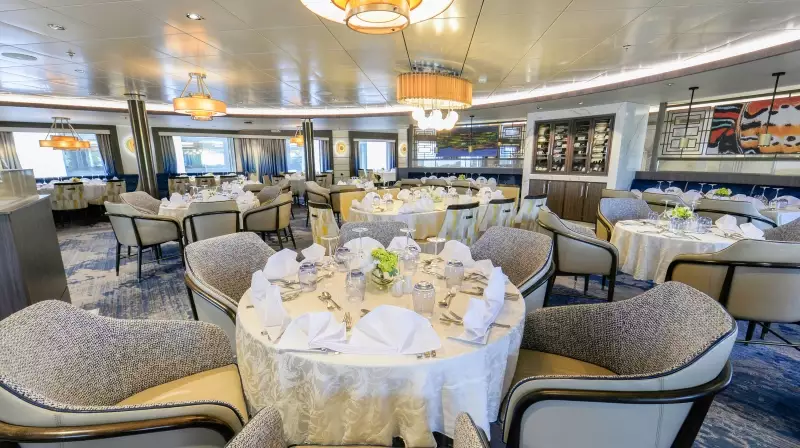
Modern expedition cruise ships like the Ocean Explorer emphasize culinary excellence as part of the premium expedition experience. The ship’s international cuisine reflects global influences while incorporating fresh ingredients and regional specialties when possible.
Full-board service includes three daily meals plus afternoon snacks and late-night options. Beverage packages typically cover wine, beer, and premium spirits, while specialty coffees and teas remain available 24/7. The dining experience balances expedition practicality with cruise ship sophistication.
Educational programs
Educational programming distinguishes true expedition cruises from conventional cruise experiences. The Ocean Explorer’s expert expedition team includes naturalists, marine biologists, historians, and geologists who provide comprehensive Antarctic education.
Daily presentations cover Antarctic wildlife, exploration history, climate science, and conservation efforts. Interactive workshops might include photography instruction, navigation basics, or environmental science discussions. These programs enhance appreciation for Antarctic environments while providing practical knowledge for shore excursions.
Wellness & recreation facilities
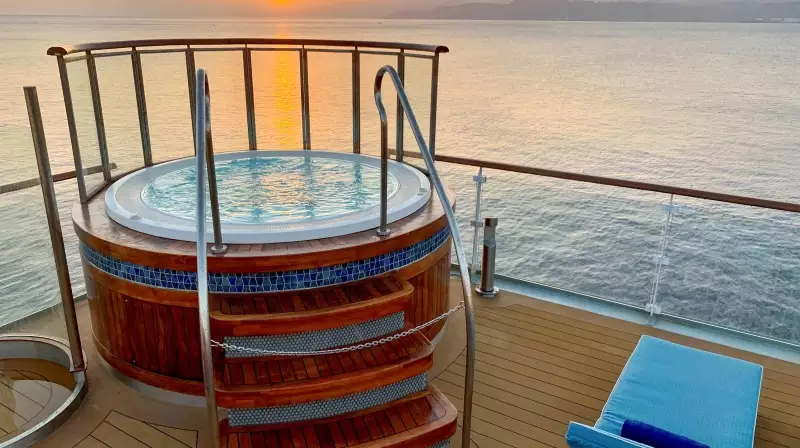
Despite space constraints on expedition vessels, modern ships prioritize passenger wellness and recreation. The Ocean Explorer’s facilities include a well-equipped fitness center, panoramic sauna, and outdoor Jacuzzis offering unique Antarctic soaking experiences.
Library and lounge spaces provide comfortable areas for relaxation and reflection between excursions. Observation decks with comfortable seating ensure optimal wildlife viewing and photography opportunities throughout the voyage.
Price vs value analysis
Understanding Antarctic cruise pricing helps evaluate different vessels and itineraries for optimal value.
Cost per day breakdown
Antarctic expedition pricing varies significantly based on vessel choice, cabin category, and itinerary length. The Ocean Explorer’s pricing reflects its modern construction and premium positioning, typically ranging from $16,295 to $51,895 for various itineraries and cabin types.
Per-day costs average $1,500-2,800 depending on cabin selection and trip duration. Shorter itineraries command higher daily rates due to fixed operational costs, while longer voyages often provide better per-day value. These prices reflect the specialized nature of polar expeditions and comprehensive included services.
Included vs extra costs
Most expedition cruises operate on inclusive pricing models covering accommodation, all meals, educational programming, and guided shore excursions. The Ocean Explorer includes Zodiac operations, expedition parkas, and most beverages in base pricing.
Additional costs typically include gratuities ($13-15 per day recommended), premium alcoholic beverages, spa services, and optional adventure activities like kayaking or camping. Travel insurance with emergency evacuation coverage (up to $150,000-200,000) represents a crucial additional expense for all passengers.
Best value ships by category
Value assessment depends on individual priorities and travel styles. The Ocean Explorer provides excellent value for travelers prioritizing modern amenities, environmental responsibility, and comprehensive expedition experiences.
Budget-conscious travelers might consider older vessels or repositioning voyages, while luxury seekers may prefer newer ships with enhanced amenities. Small ship cruises Antarctica often provide superior value for expedition purists focused on shore time and wildlife encounters rather than onboard luxury.
Making your final ship selection
Choosing the right Antarctica expedition ship requires balancing multiple factors against your personal preferences and travel goals.
Matching ship to travel style
Adventure enthusiasts should prioritize vessels offering optional activities like kayaking, camping, and mountaineering. The Ocean Explorer’s comprehensive activity program appeals to active travelers seeking diverse Antarctic experiences.
Comfort-focused travelers benefit from newer vessels with modern amenities, stability systems, and spacious accommodations. Photography enthusiasts should consider ships with excellent outdoor viewing areas and expert photography instruction programs.
Seasonal considerations
Antarctic travel seasons significantly impact ship selection and experience quality. Early season (October-November) requires higher ice-class vessels and offers unique ice conditions but potentially challenging weather.
Peak season (December-February) provides optimal weather, extended daylight, and active wildlife with broader vessel choices. Late season (March) offers competitive pricing but shorter days and potential weather limitations.
Booking timeline & availability
Antarctic expeditions require advance booking due to limited capacity and specialized logistics. Popular sailing dates, particularly around holidays, book 12-18 months ahead.
Early booking often provides better cabin selection and promotional pricing, while last-minute deals occasionally offer significant savings on remaining inventory. Travel insurance should be purchased early to cover potential trip disruptions or cancellations.
The Ocean Explorer represents an excellent choice for travelers seeking modern expedition experiences with comprehensive amenities and proven polar capabilities. However, the best Antarctica ship ultimately depends on your individual priorities, budget, and expedition goals.