
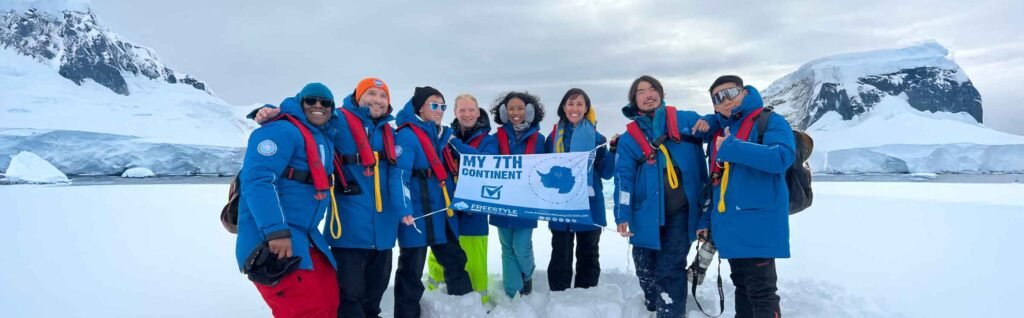
An Antarctica cruise is one of the most unique and awe-inspiring adventures you can experience. From navigating icy waters surrounded by glaciers to watching penguins and seals in their natural habitat, the White Continent offers a world of wonders. But before you set foot on your expedition ship, there are important questions to answer.
This guide will walk you through five key topics every traveller should understand before booking: the best time to go, what to pack for Antarctica, safety considerations, how to choose your ship and itinerary, and the activities you can expect on board and ashore. By the end, you’ll feel ready to compare Antarctic cruise offers, evaluate Antarctica tours prices, and prepare for an unforgettable journey.
1. What is the best time to travel to Antarctica?
Travel season and highlights (wildlife, climate)
The Antarctic travel season runs from late October to early March, during the austral summer. Each period offers different experiences:
> Early Season (October–November): Early season with pristine snow, fewer ships, and wildlife courtship displays. Icebergs and landscapes are at their most dramatic.
> High Season (December–January): Peak season with warmer temperatures, long daylight hours, and penguin chicks hatching. This is when Antarctic cruises deals are harder to find, so book early.
> Late Season (February–March) : Active whales, fledging penguin chicks, and softer light for photography. Ideal for spotting marine life.
Your choice will depend on whether you prioritise wildlife, weather, or a quieter experience.


2. What should I pack and what gear is provided?
The essential list: layered clothing and accessories
Packing correctly is key to preparing for Antarctica trip success. The climate can change rapidly, so think in layers:
- Base layer: Thermal underwear made of moisture-wicking fabric.
- Mid layer: Warm fleece or wool jumper.
- Outer layer: Waterproof, windproof jacket and trousers.
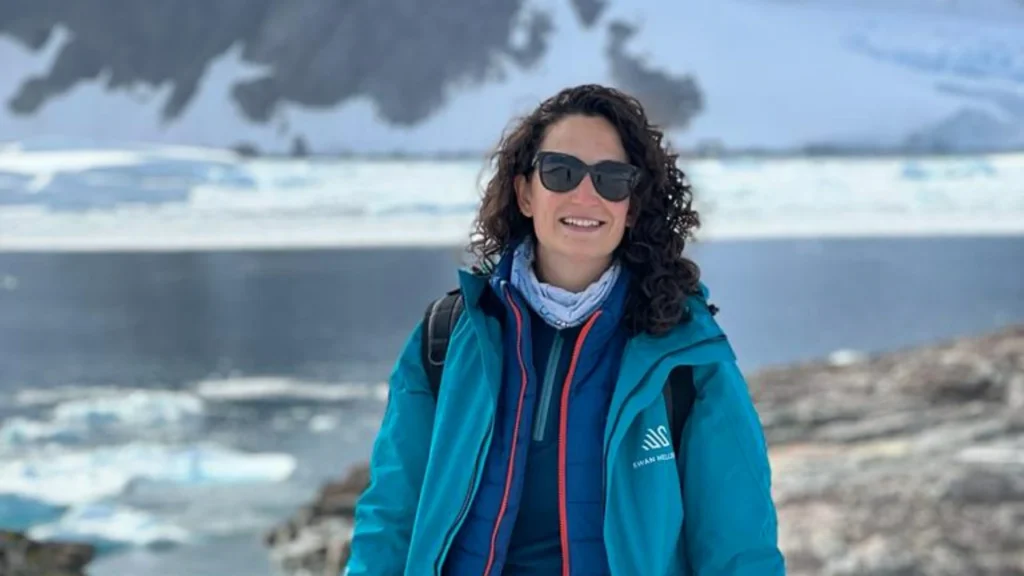
- Accessories: Beanie, neck gaiter, insulated gloves, glove liners, and thermal socks.
- Protection: Sunglasses with high UV protection, sunscreen, lip balm.
- Extras: Daypack, reusable water bottle, and comfortable indoor shoes.
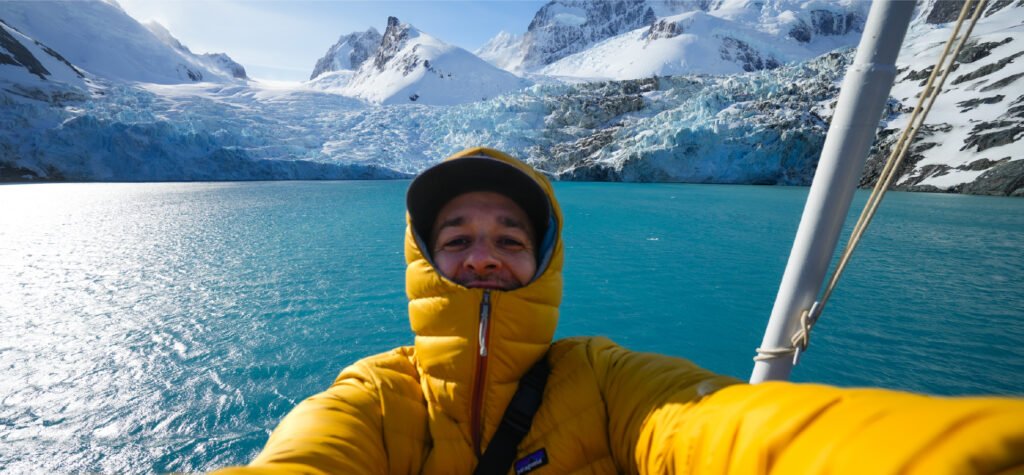
Complimentary polar gear (e.g., jackets, rubber boots)
Many Antarctica tours include key expedition gear:
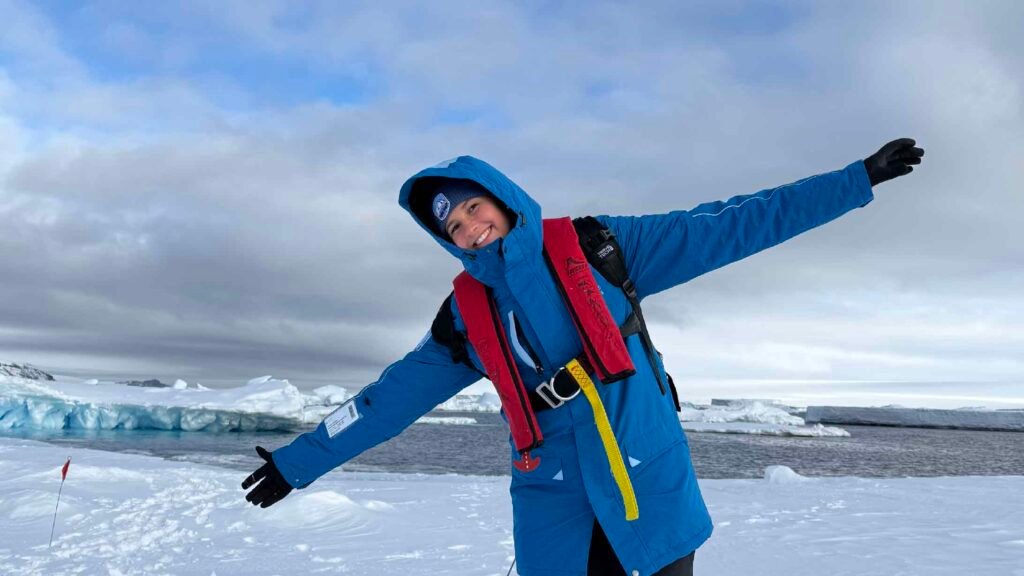
> A waterproof parka, often yours to keep.
> Insulated rubber boots for wet zodiac landings.
> Loaner walking poles for icy or snowy terrain.
Confirm with your cruise provider before packing—this can save luggage space and weight.
3. Is it safe to travel to Antarctica?
Safety protocols onboard and during landings
Antarctica safety standards are strict, with all operators adhering to the International Association of Antarctica Tour Operators (IAATO) guidelines. Before your first landing, you’ll attend a safety briefing covering:
- Correct zodiac boarding procedures.
- Keeping safe distances from wildlife.
- Following marked paths to protect the environment.
- Responding to weather changes quickly and safely.
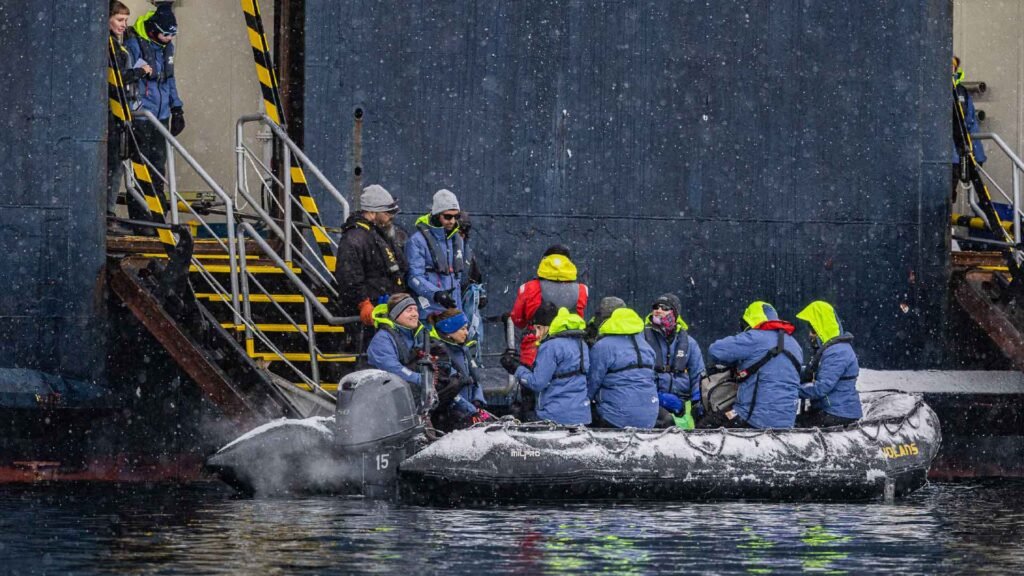
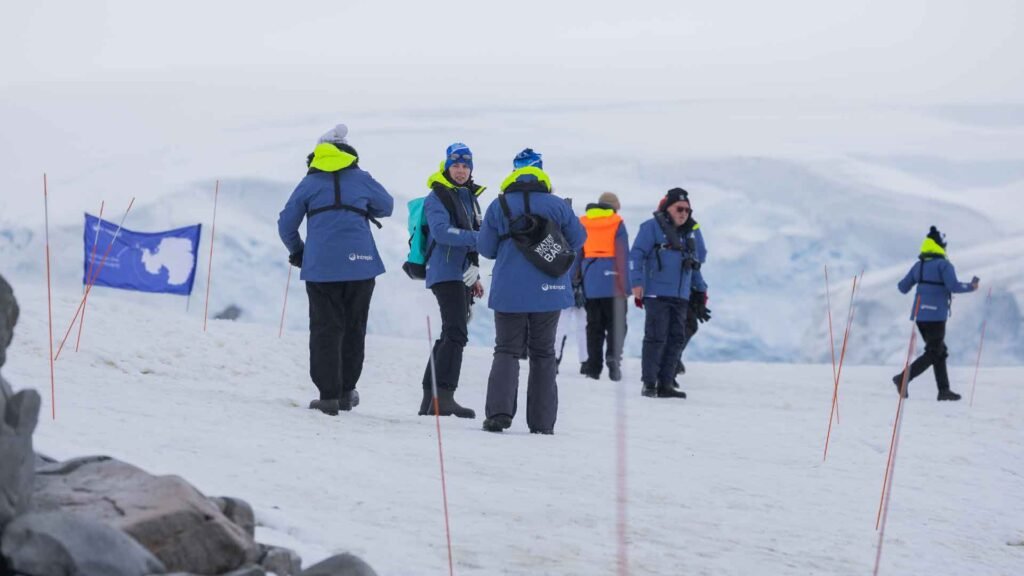
Crew members and guides are always present during activities to ensure protocols are followed.
Medical preparation and travel insurance
Given Antarctica’s remoteness, proper preparation is vital:
-Have a medical check-up before travelling.
-Bring all necessary medications, including seasickness remedies.
-Purchase travel insurance that includes emergency medical evacuation—it’s mandatory for most Antarctica cruises.
4. How do I choose the right itinerary and ship for me?
Types of itineraries (Antarctic Peninsula, Polar Circle, islands)
The itinerary you choose will shape your experience:
The most popular route with breathtaking landscapes and rich wildlife. Shorter sailing time from South America.
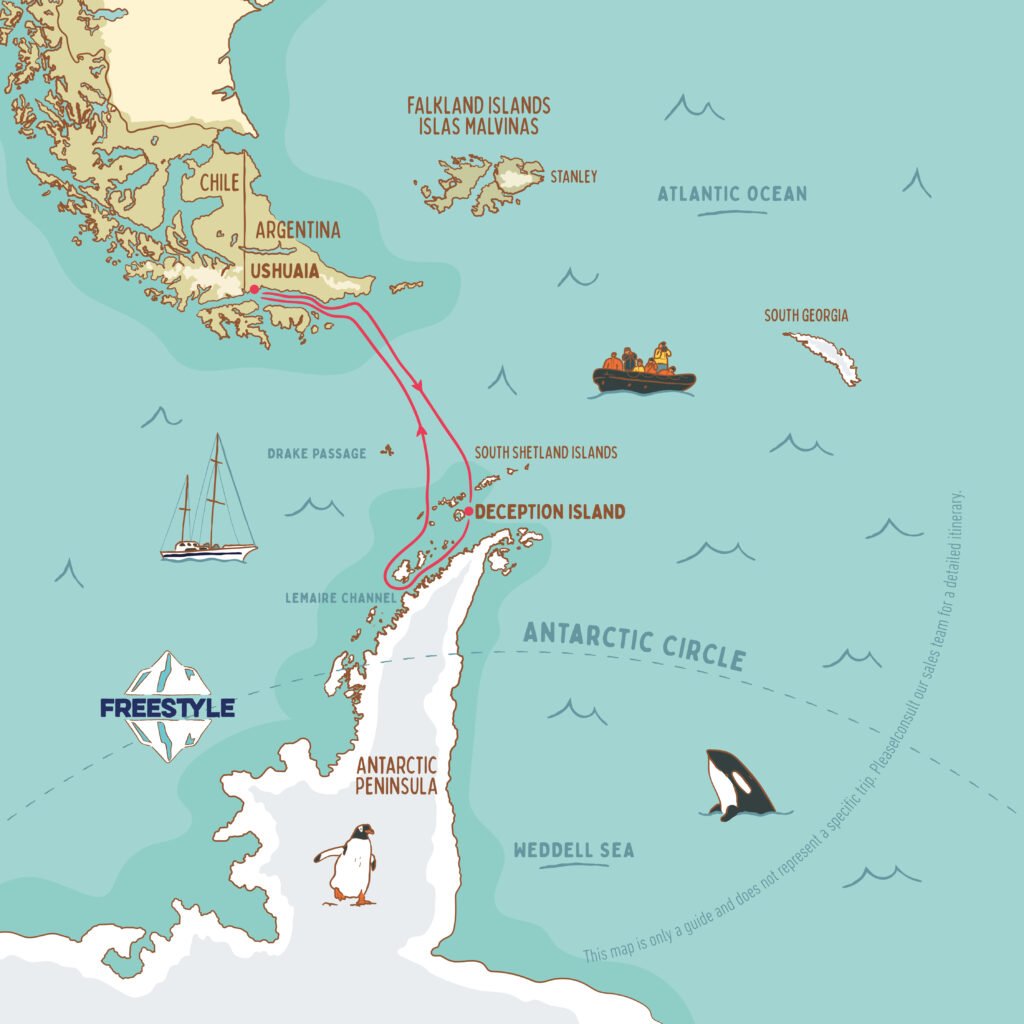
Extend your time in Antarctica and make landings in less frequented sites south of the Antarctic Circle; Incredible icebergs, millions of penguins – Adélie, gentoo, chinstrap.
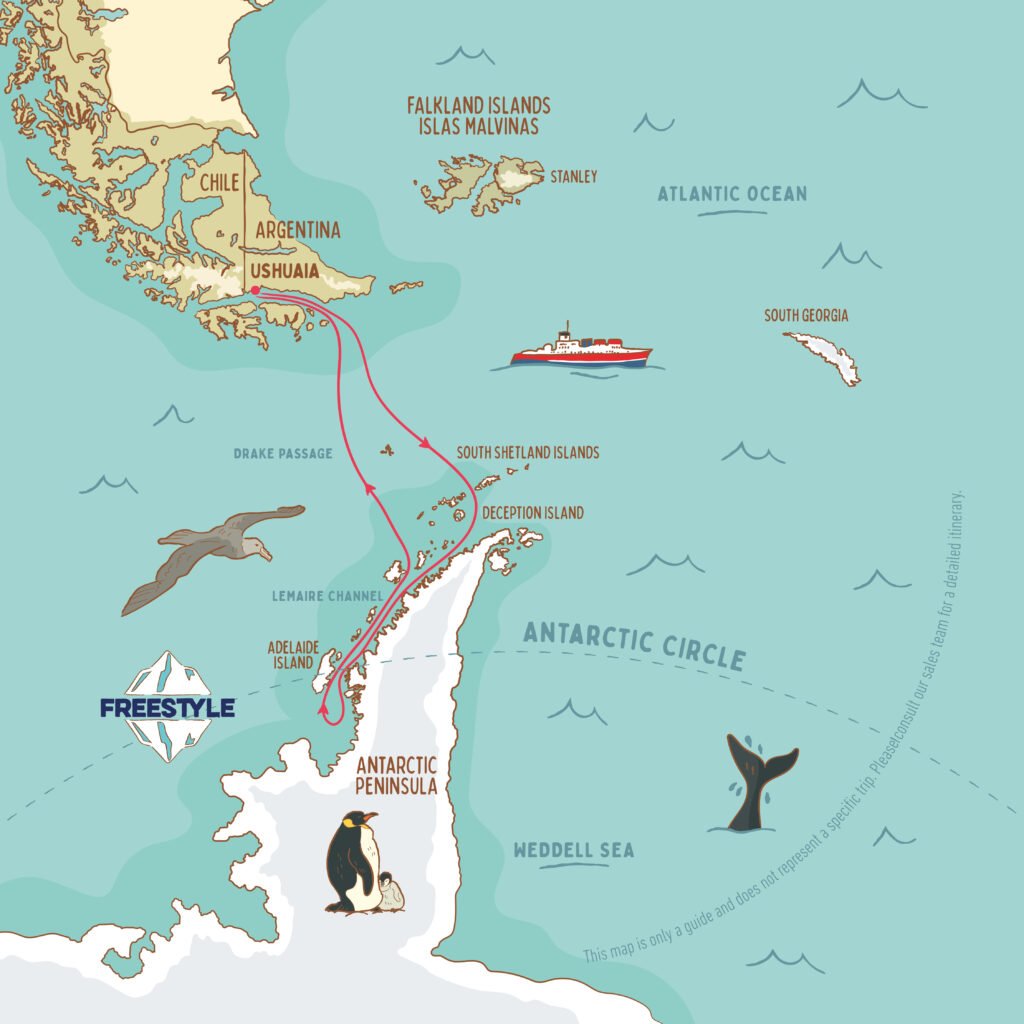
Explore the world’s seventh continent on the Antarctic Peninsula by ship, Zodiac and on foot. See the incredible wildlife of South Georgia, often referred to as ‘the Galapagos of the South’. Explore the quaint, British town of Port Stanley in the Islas Malvinas.

The most popular route with breathtaking landscapes and rich wildlife. Shorter sailing time from South America.
Extend your time in Antarctica and make landings in less frequented sites south of the Antarctic Circle; Incredible icebergs, millions of penguins – Adélie, gentoo, chinstrap.
Explore the world’s seventh continent on the Antarctic Peninsula by ship, Zodiac and on foot. See the incredible wildlife of South Georgia, often referred to as ‘the Galapagos of the South’. Explore the quaint, British town of Port Stanley in the Islas Malvinas.
Considerations when selecting the ideal ship
When deciding how to choose an Antarctic cruise, consider:
- Ship size and capacity (smaller ships offer more land time).
- Onboard comfort versus agility.
- Range of activities offered.
Comparing Antarctica tours prices against facilities and inclusions will help you identify the best value.
5. What activities can I expect during my expedition?
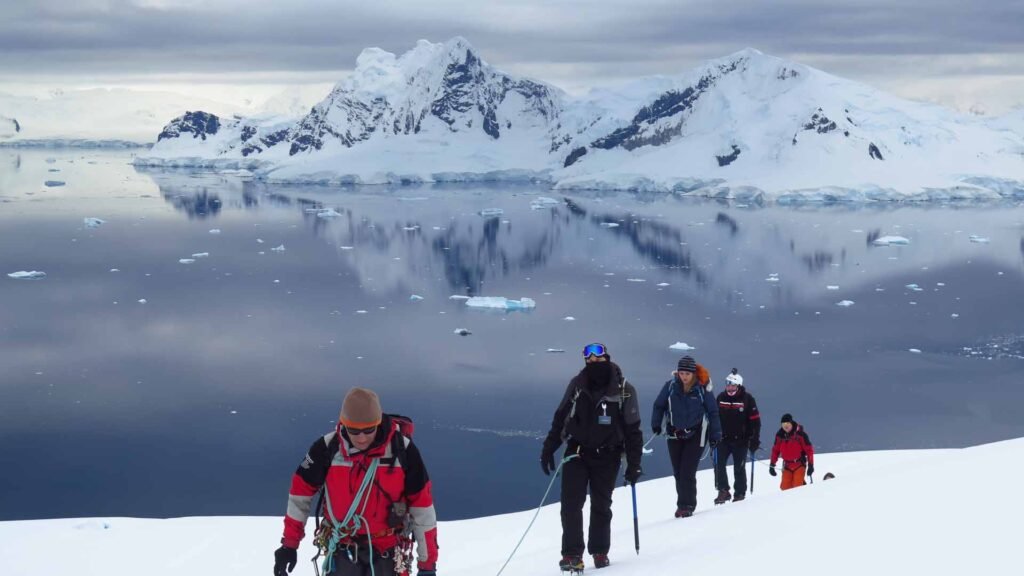
Most Antarctic cruise offers include daily landings and zodiac rides. Depending on your ship, you may also enjoy: MOUNTANEERING, KAYAKING, POLAR PLUNGE, PHOTGRAPHY PROGRAM & more!
 https://www.youtube.com/watch?v=ybk3bghylgkhttps://youtube.com/shorts/do7MPczS4eU?feature=share
Visits to scientific bases (base on Antarctica)
Some itineraries include a visit to a base on Antarctica, such as:
- Port Lockroy: Historic station with a museum and post office.
- Base Brown (Argentina): Stunning viewpoints and insight into local research.
Access depends on agreements and weather conditions.
Your dream Antarctic adventure starts here
An Antarctica cruise is an investment in a once-in-a-lifetime experience. By knowing when to travel to Antarctica, what to pack, safety procedures, how to choose your itinerary, and the activities available, you can plan with confidence.
With the right preparation, your journey will go beyond just sightseeing—it will be an immersive exploration of one of the most pristine, remote places on Earth. From icy peaks to curious penguins, the memories you create will last forever.