
Far from any continent, in the wild heart of the Southern Ocean, South Georgia Island and Elephant Island Antarctic stand as two of the most captivating destinations for polar travellers. Together they offer a mix of pristine wilderness, abundant wildlife, and legendary tales of endurance. For those planning trips to South Georgia Island or extended Antarctic expeditions, these remote shores combine nature at its rawest with history that shaped the Heroic Age of Exploration.
South Georgia and the South Sandwich Islands are remote islands in the Southern Ocean, with geography, climate, and wildlife intrinsically linked to the Antarctic ecosystem. Elephant Island, part of the South Shetland Islands, lies within the Antarctic Treaty System and remains largely untouched by permanent human presence. Both locations are steeped in the story of Ernest Shackleton, whose survival saga unfolded here more than a century ago.
Elephant Island Elephant Island South Georgia South Georgia Falkland Island Falkland Island
South Georgia Island: a wildlife sanctuary in the Southern Ocean
Located about 1,300 km southeast of the Falkland Islands (Malvinas), South Georgia measures roughly 160 km in length and 30 km across at its widest point. Nearly 60% of the island is covered in glaciers, with dramatic mountains like Mount Paget towering to 2,934 m. Rugged fjords and sheltered bays create natural havens for ships, but landings are heavily weather-dependent due to the island’s exposure to open ocean swells.
The tundra-like environment limits vegetation to mosses, lichens, and hardy grasses, yet it provides nesting grounds for millions of seabirds. Summers are short and cool, with temperatures rarely above 10°C, and strong westerly winds sweep the island year-round.
Wildlife highlights
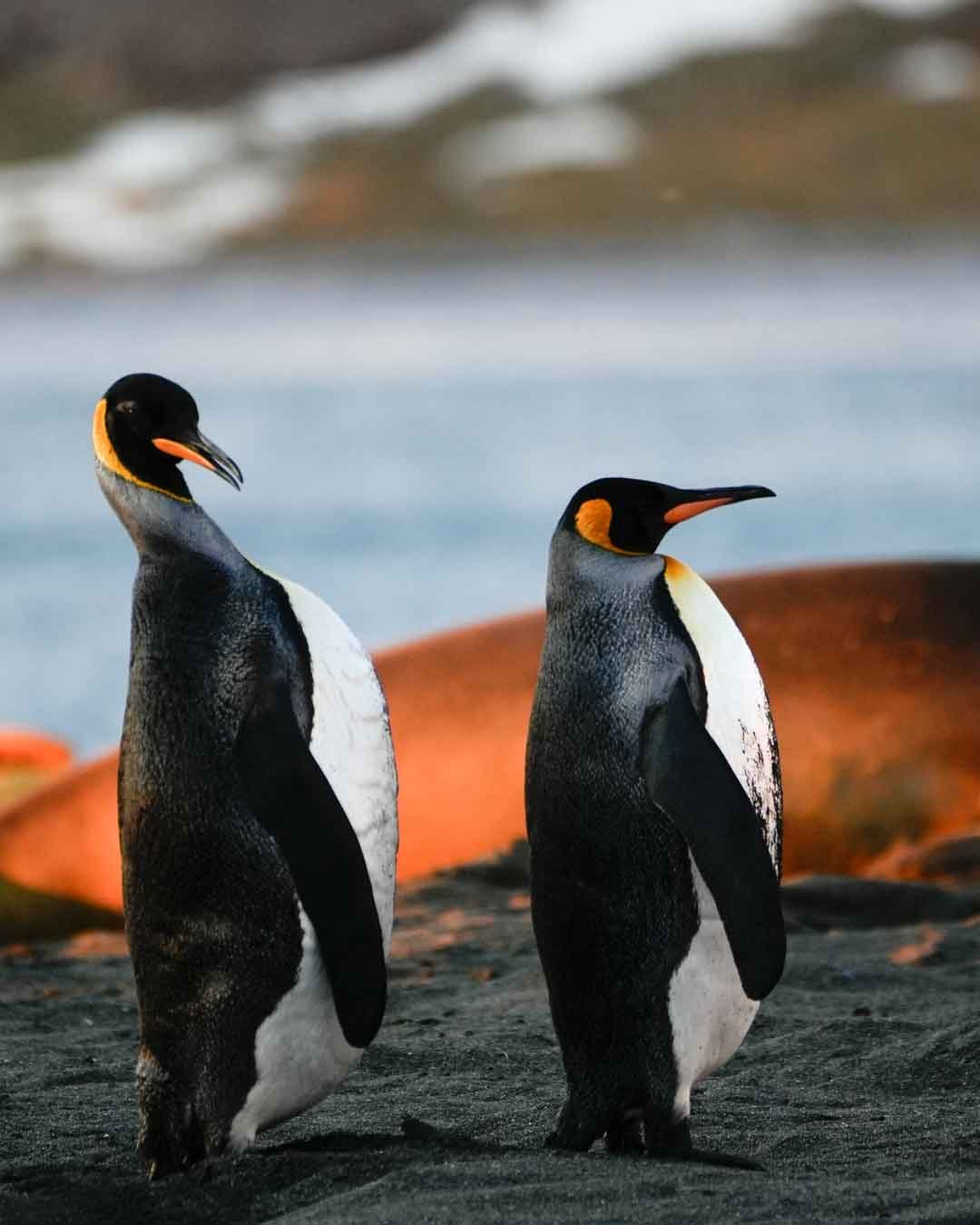
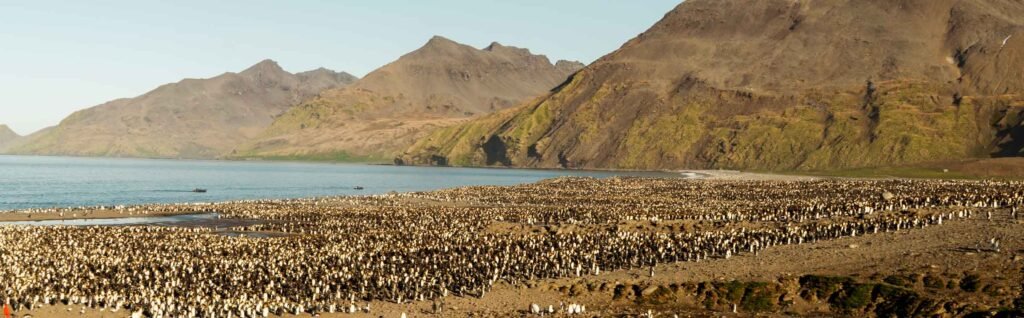
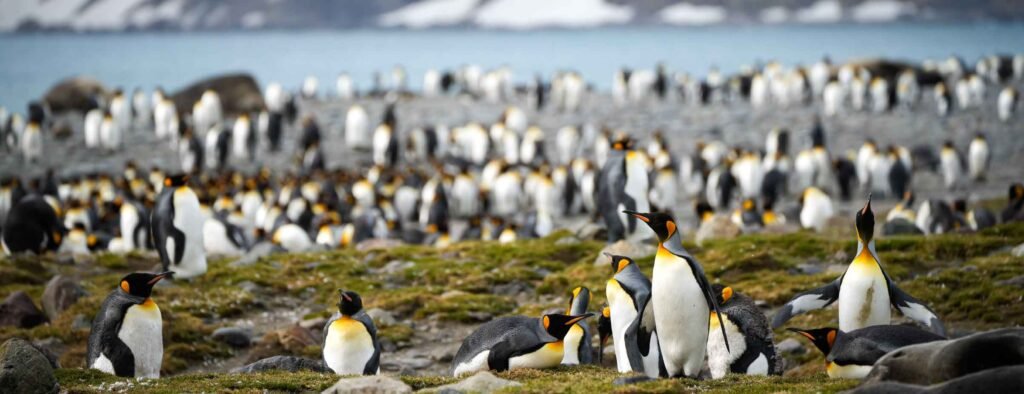
South Georgia is known as the “Galapagos of the Southern Ocean” thanks to its remarkable biodiversity. It is home to vast colonies of king penguins, particularly at St. Andrews Bay and Salisbury Plain, where hundreds of thousands gather to breed. Gentoo, chinstrap, and macaroni penguins also nest here.
Marine mammals thrive in these waters. Antarctic seals such as fur seals and southern elephant seals dominate the beaches in breeding season. The elephant seal is the largest seal species, with males reaching up to 4,000 kg and over six metres in length. Their seal adaptations—including the ability to dive for nearly two hours and to travel tens of thousands of kilometres annually—make them extraordinary ocean wanderers.
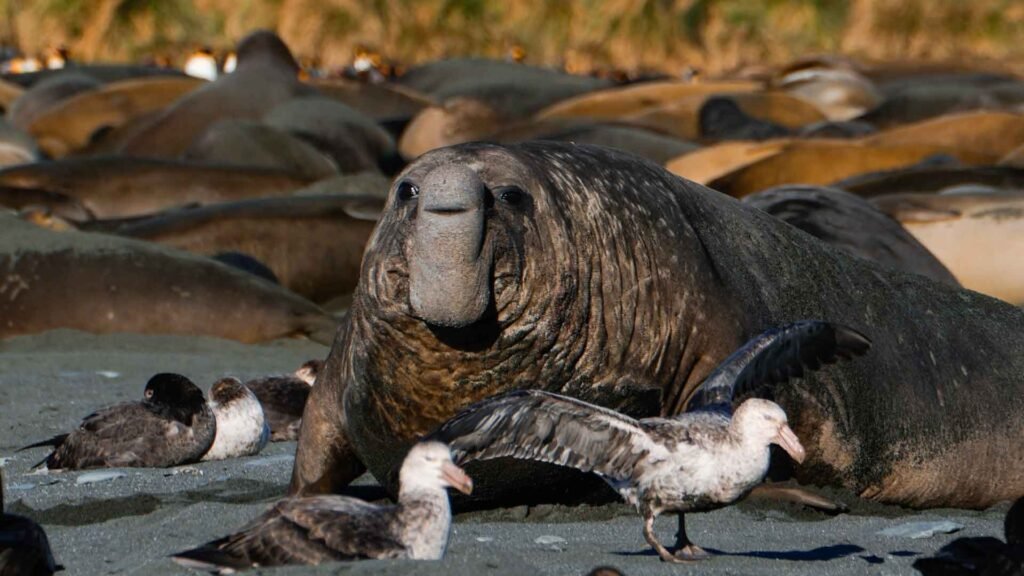
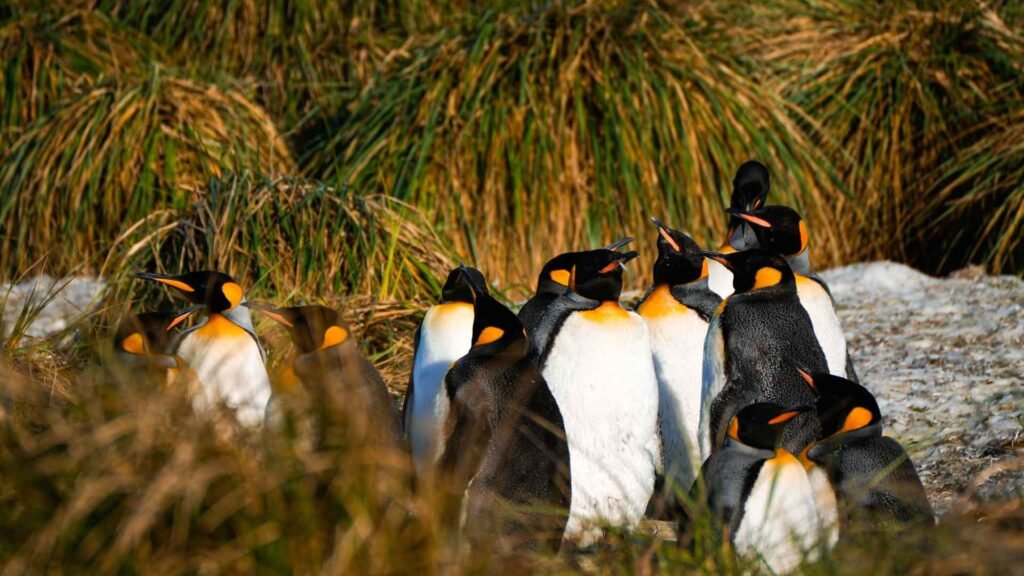
South Georgia is home to some of the world’s most impressive concentrations of wildlife. It boasts:
> Over 300,000 king penguins at St. Andrews Bay, the largest colony on the planet
> Gentoo, chinstrap, and macaroni penguins nesting along rocky shores
> Southern elephant seals sprawled on beaches, the largest seal species on Earth
> Antarctic fur seals by the millions, especially during pupping season
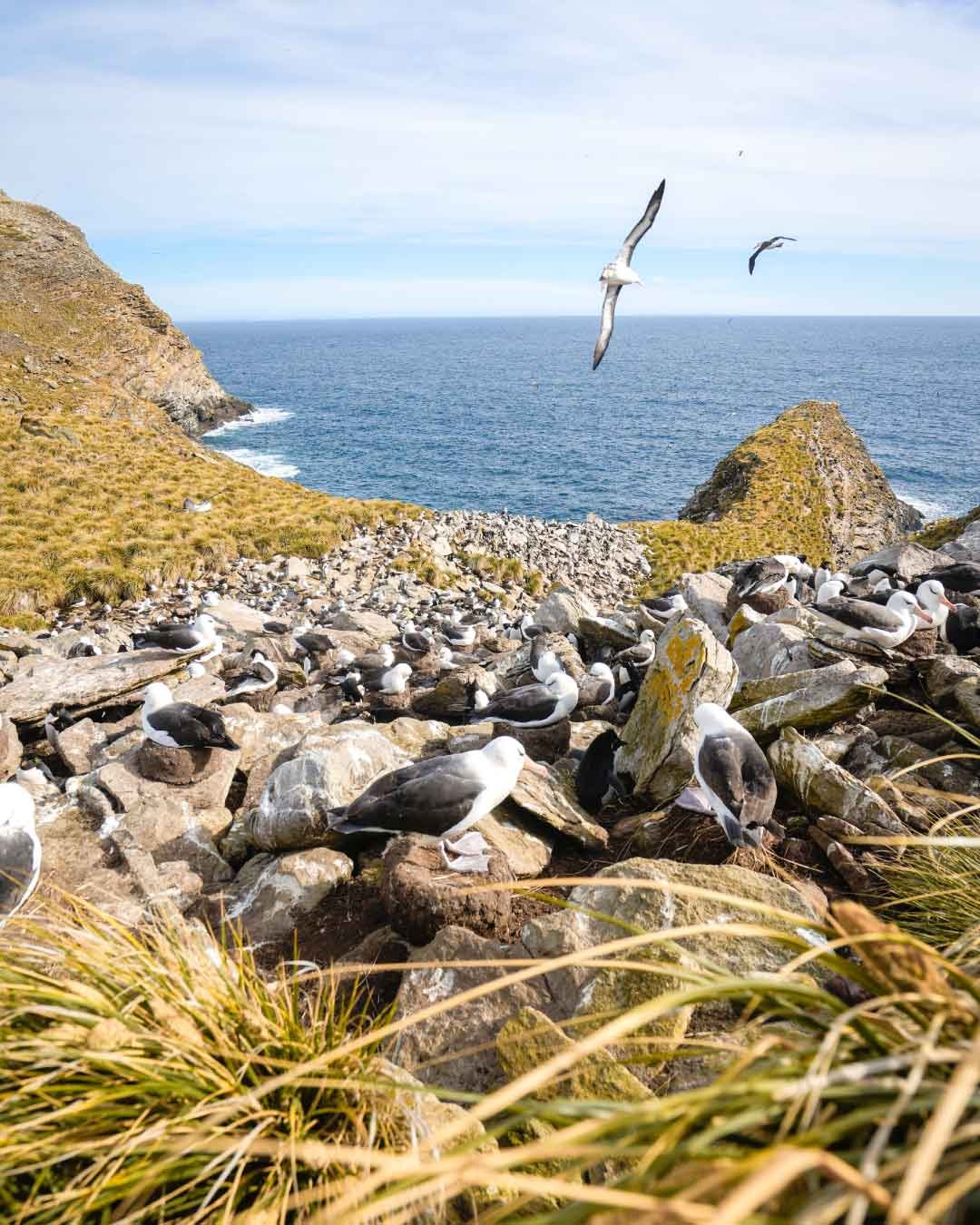
> Seabirds such as wandering albatrosses, giant petrels, and black-browed albatrosses soaring overhead
Antarctic Fur Seals in South Georgia
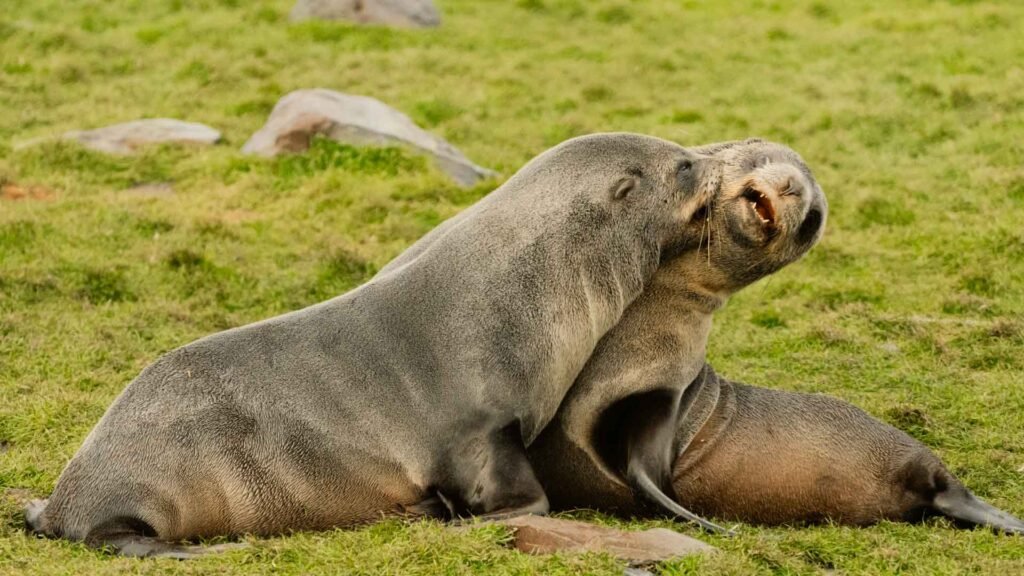
With up to 95% of the world’s population, South Georgia is the stronghold of the Antarctic fur seal (Arctocephalus gazella). Males can reach 2 metres in length and weigh over 130 kg, while females and pups are smaller and paler. During breeding season, fur seal colonies explode in numbers, and pups can be seen play-fighting in the surf, tumbling across the beaches and tussock grass.
Historical significance
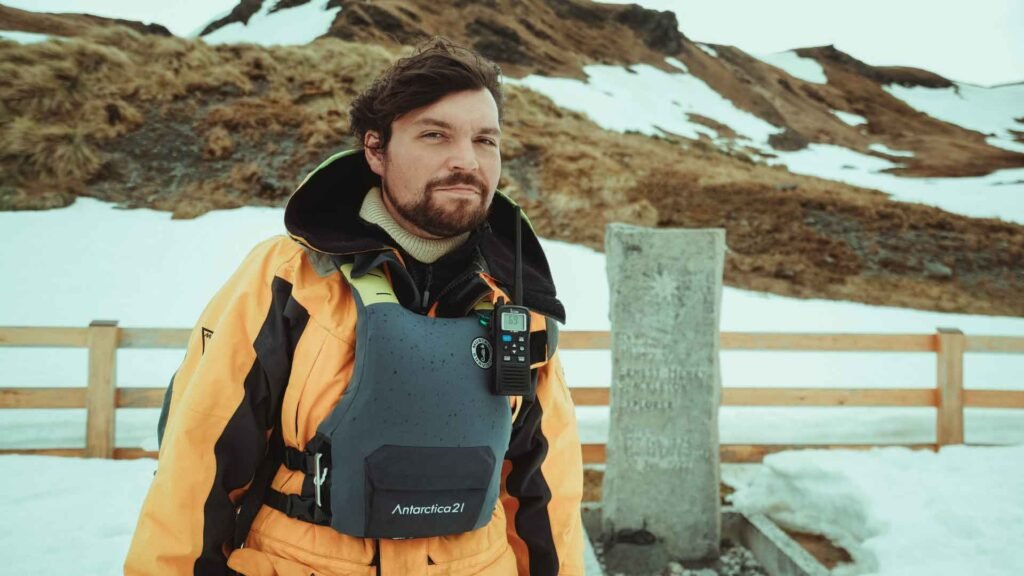
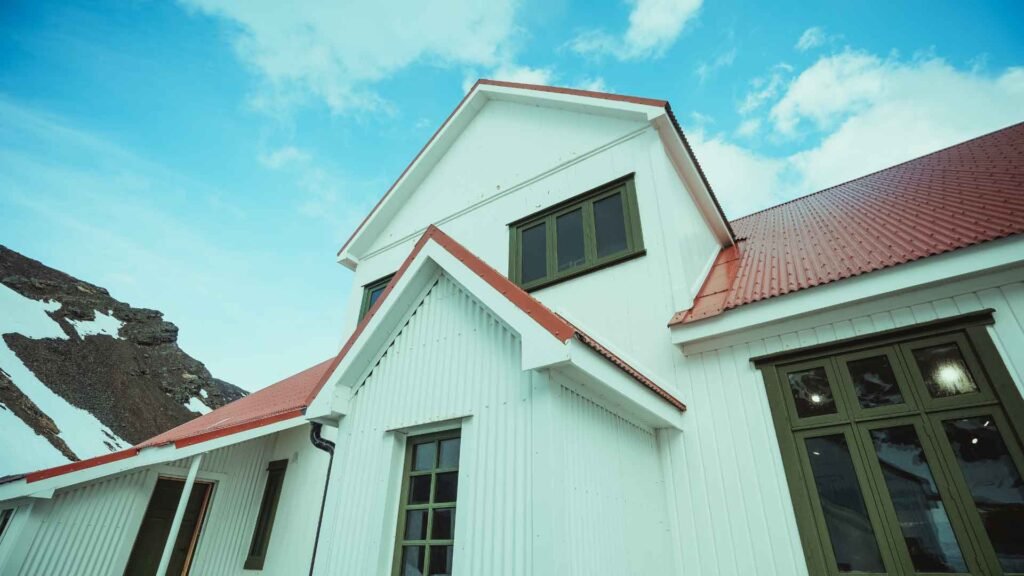
South Georgia is also hallowed ground for those who admire the Heroic Age of Exploration. In Grytviken, the island’s most famous former whaling station, lies the grave of Sir Ernest Shackleton. Visitors often raise a toast of whisky in his honour before exploring the rusted relics of the once-booming whaling industry, now reclaimed by wildlife.
Landing sites and visitor experiences
When conditions allow, South Georgia offers a range of unforgettable landing spots:
> Grytviken – Shackleton’s grave, museum, and whaling history
> St. Andrews Bay – The world’s largest king penguin colony
> Salisbury Plain – Classic penguin scenes and epic photography
> Gold Harbour – A mix of penguins, seals, and Bertrab Glacier
> Hercules Bay – Macaroni penguins nesting on steep cliffs
> Ocean Harbour & Stromness – Wrecks, seals, and Shackleton’s footsteps
When to visit and what to expect
The best time for trips to South Georgia Island is the Antarctic summer, from November to March. Early in the season, male elephant seals fight for dominance, and penguins begin courtship. By December and January, chicks fill the rookeries, and seal pups are on the beaches. Late summer offers calmer seas and fledging penguins.
Visitors should prepare for unpredictable weather and strict environmental regulations under the Antarctic Treaty. Guides ensure minimal disturbance to wildlife, and all biosecurity measures—such as cleaning boots and gear—are mandatory.
Elephant Island: a symbol of survival in Antarctic history
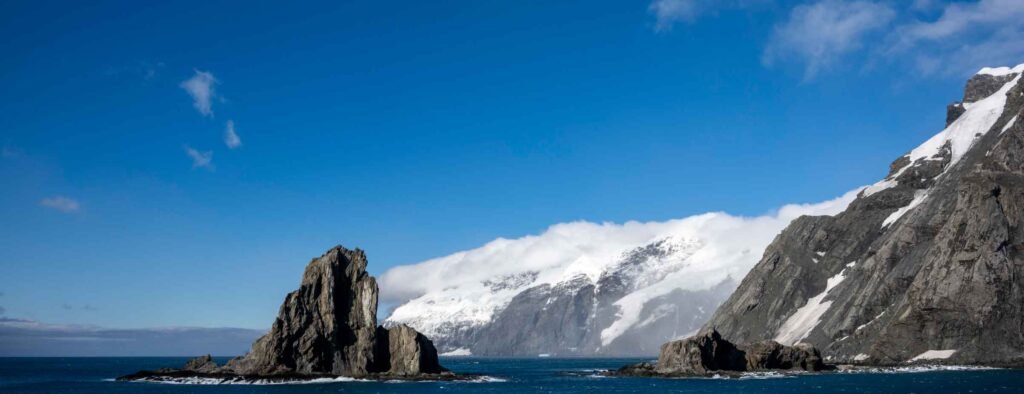
Isolated and icebound, Elephant Island lies over 1,200 km from South Georgia and just 245 km off the northern tip of the Antarctic Peninsula. It’s a land of glacier-clad mountains, tidewater cliffs, and near-impossible landing zones. But its name echoes through time because of one moment in history: the Imperial Trans-Antarctic Expedition.
In 1916, after their ship Endurance was crushed by pack ice in the Weddell Sea, Ernest Shackleton and his men endured months of drifting before making a perilous open-boat journey to Elephant Island. There, at Point Wild, 22 men survived for 4.5 months on a narrow rocky beach while Shackleton and five others sailed 1,300 km to South Georgia for help.
Every man survived. Today, a bust of Captain Luis Pardo, who captained the Chilean Navy rescue ship Yelcho, stands at Point Wild as a monument to one of the greatest rescue missions of all time.
Geography and wildlife
Elephant Island is about 47 km long and 27 km wide, with steep, glacier-clad mountains and few safe landing sites. No one lives here permanently, though Brazil maintains a small summer refuge for research.
Though harsh and largely inaccessible, Elephant Island supports thriving wildlife:
> Gentoo and chinstrap penguins nesting along the coast
> Antarctic fur seals and elephant seals hauling out onto the few rocky beaches
> Fin whales and seabirds like storm petrels, giant petrels, and fulmars offshore
Point Wild itself is home to climbing-adapted chinstrap penguins and can sometimes be visited by Zodiac in calm conditions.
When to Visit
The ideal time to explore these remote gem is during the Antarctic summer (November–March).
> November: Elephant seals battle for dominance; penguin courtship begins
> December–January: Peak wildlife activity with seal pups and penguin chicks everywhere
> February–March: Calmer seas, fledging penguins, great light for photography
Weather is unpredictable, and all landings depend on conditions. Guides will ensure biosecurity measures are strictly followed to protect these fragile ecosystems.
Responsible travel in fragile environments
Whether you join a luxury vessel or a smaller expedition ship, responsible tourism is key. Keep a respectful distance from wildlife, stay on marked paths, and never feed animals. Reducing single-use plastics, supporting conservation initiatives, and respecting local guidelines help protect these ecosystems.
Many Antarctic expeditions include citizen science projects, from seabird counts to plankton sampling, allowing travellers to contribute directly to research.
Visiting South Georgia and the South Sandwich Islands alongside Elephant Island Antarctic is more than ticking off remote points on a map, it’s stepping into the pages of polar history and immersing yourself in one of Earth’s richest wildlife spectacles. From the thunder of surf against glacier walls to the sight of a sea leopard slicing through icy water, every moment reinforces the raw beauty and fragility of the polar world.
Following in the wake of Ernest Shackleton, you’ll witness both the resilience of nature and the indomitable spirit of exploration. For travellers seeking the ultimate blend of adventure, wildlife, and heritage, these two islands are treasures of Antarctica that will stay with you long after you return home.